QuillAudits field guide
Security
decisions.
Practical answers for the moments when your team needs to decide what to verify, what could fail, and what to do next.
 Featured guideAfter launchUnderstanding Price Oracle Manipulation Attacks in DeFiPrice oracle manipulation jumped to SC03 in OWASP's 2026 Smart Contract Top 10 — and Loopscale, KiloEx, Palmswap, and Bunni V2 show why. Learn how flash loans, TWAP exploits, forged signatures, and stale feeds let attackers feed contracts false prices, the four-step attack chain behind losses like GMX's $42M, and how aggregation, deviation checks, and audits help prevent it.Read the guide
Filter by stage
Showing all stages
01 / 04
Before launch
Decide what needs another look before a protocol goes live.
44 guides
Before launch
Understanding ERC-4626 Vault Inflation Attacks
ERC-4626 inflation attacks still drained $245K from sDOLA/LlamaLend and $9.5M from Resupply in 2025-2026 — years after OpenZeppelin's fix shipped. Learn how first-depositor donation attacks manipulate a fresh vault's share price, why virtual shares and decimals offsets aren't automatic, and the full audit checklist covering rounding, liquidity locks, and oracle smoothing before your vault goes live.
Before launch
What Breaks in Tokenized Trade Receivables: 7 Security Risks
A security teardown of tokenized trade receivables and invoice financing. Seven places these platforms fail, from double financing and the fiat leg to default logic, interest math, role sprawl, upgrade keys and transfer compliance, with what to test in each before launch.
Before launch
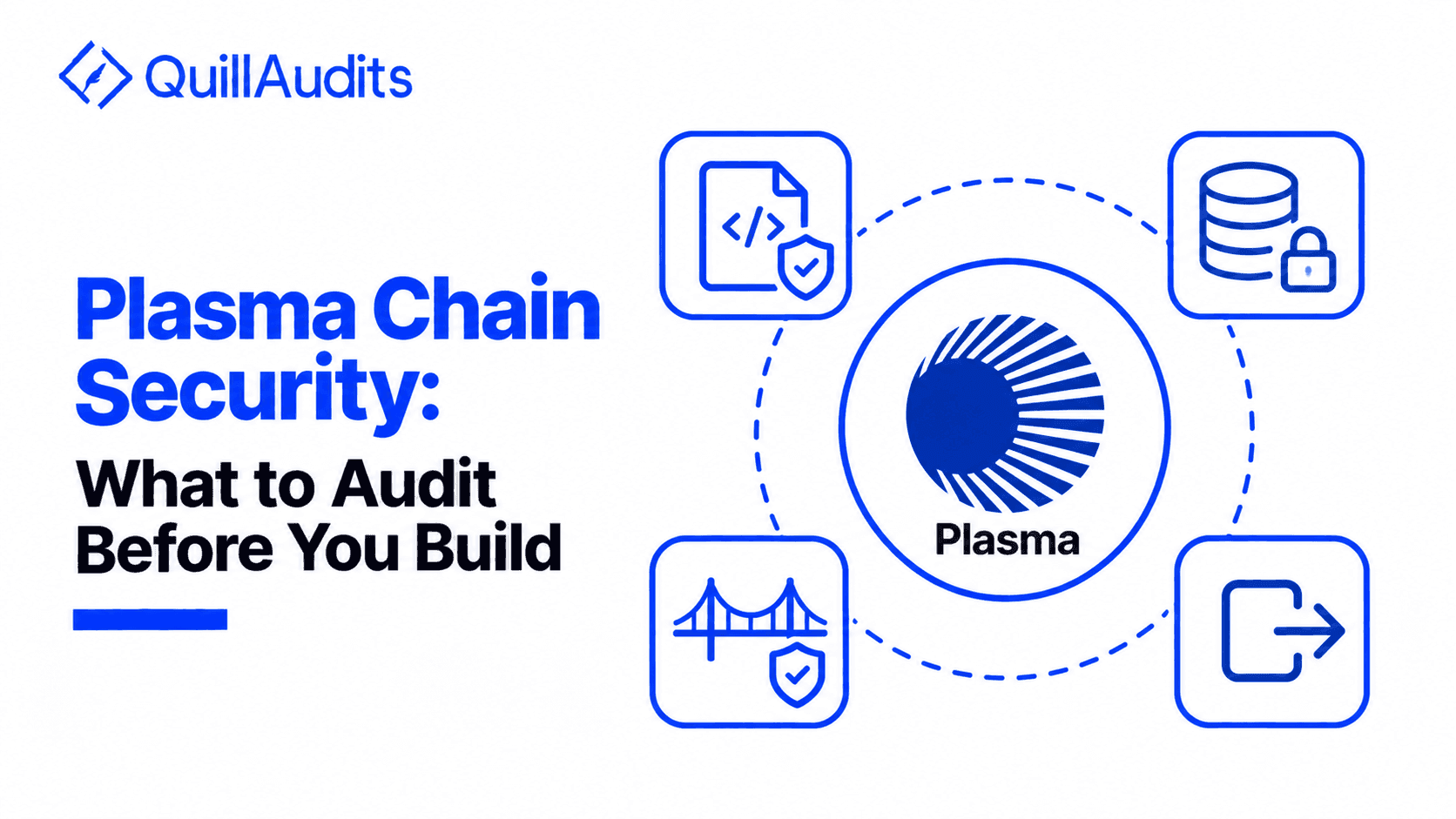
Plasma Chain Security: What to Audit Before You Build
Explore Plasma network security risks and understand the security tradeoffs behind its zero-fee USDT transfers, Bitcoin-anchored checkpoints, and PlasmaBFT consensus mechanism. Discover potential paymaster vulnerabilities, validator concentration risks, bridge trust assumptions, and reward-slashing limitations. Learn what developers should audit before deploying smart contracts on Plasma to strengthen blockchain security and protect their protocols.
Before launch
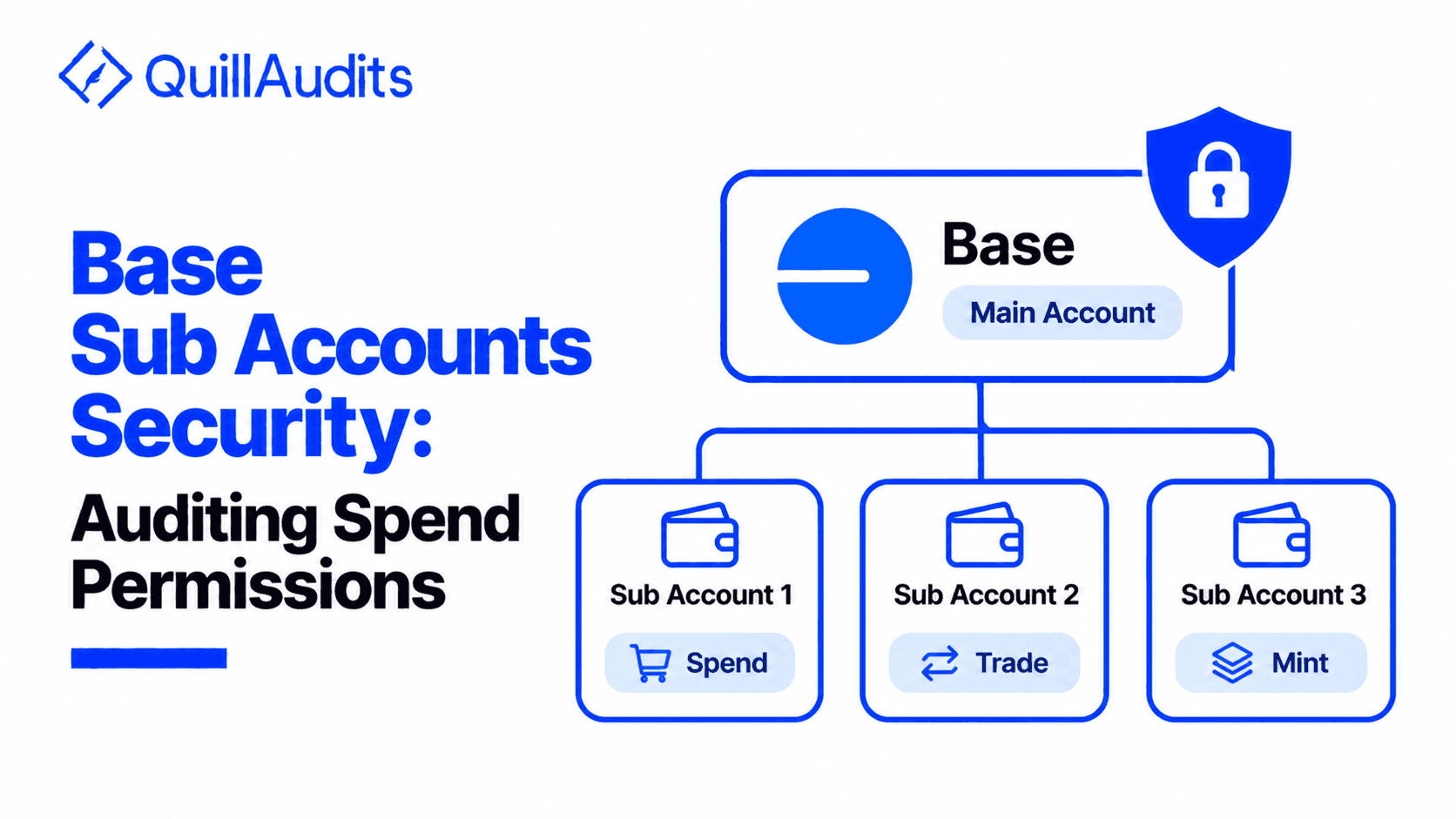
Base Sub Accounts Security: Auditing Spend Permissions
Understand Base App wallet security and how Sub Accounts and Spend Permissions protect delegated crypto transactions. Explore how allowance limits, spender permissions, funding modes, and permission-tier changes create potential security risks. Learn from the 2026 Bankr exploit and discover essential audit checklists and best practices to secure Base wallet integrations and protect user funds.
Before launch
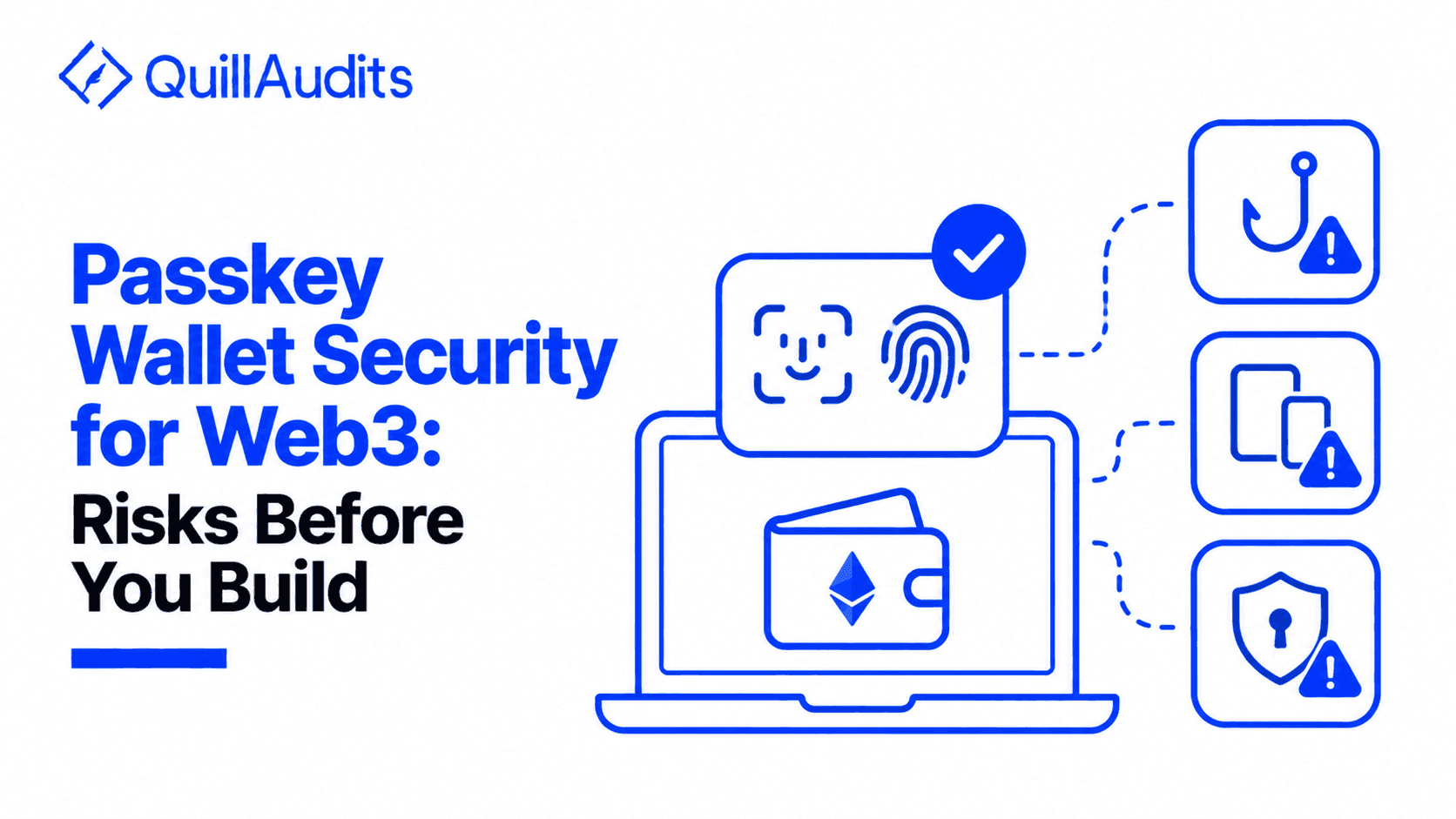
Passkey Wallet Security for Web3: Risks Before You Build
Explore seedless wallet security and how passkeys, WebAuthn, and ERC-4337 smart accounts eliminate traditional seed phrase risks. Understand cloud account vulnerabilities, recovery mechanisms, session key permissions, and potential attack surfaces. Discover essential security considerations and audit checklists for building secure passkey-based crypto wallets while protecting users against account compromise, unauthorized access, and permanent fund loss.
Before launch
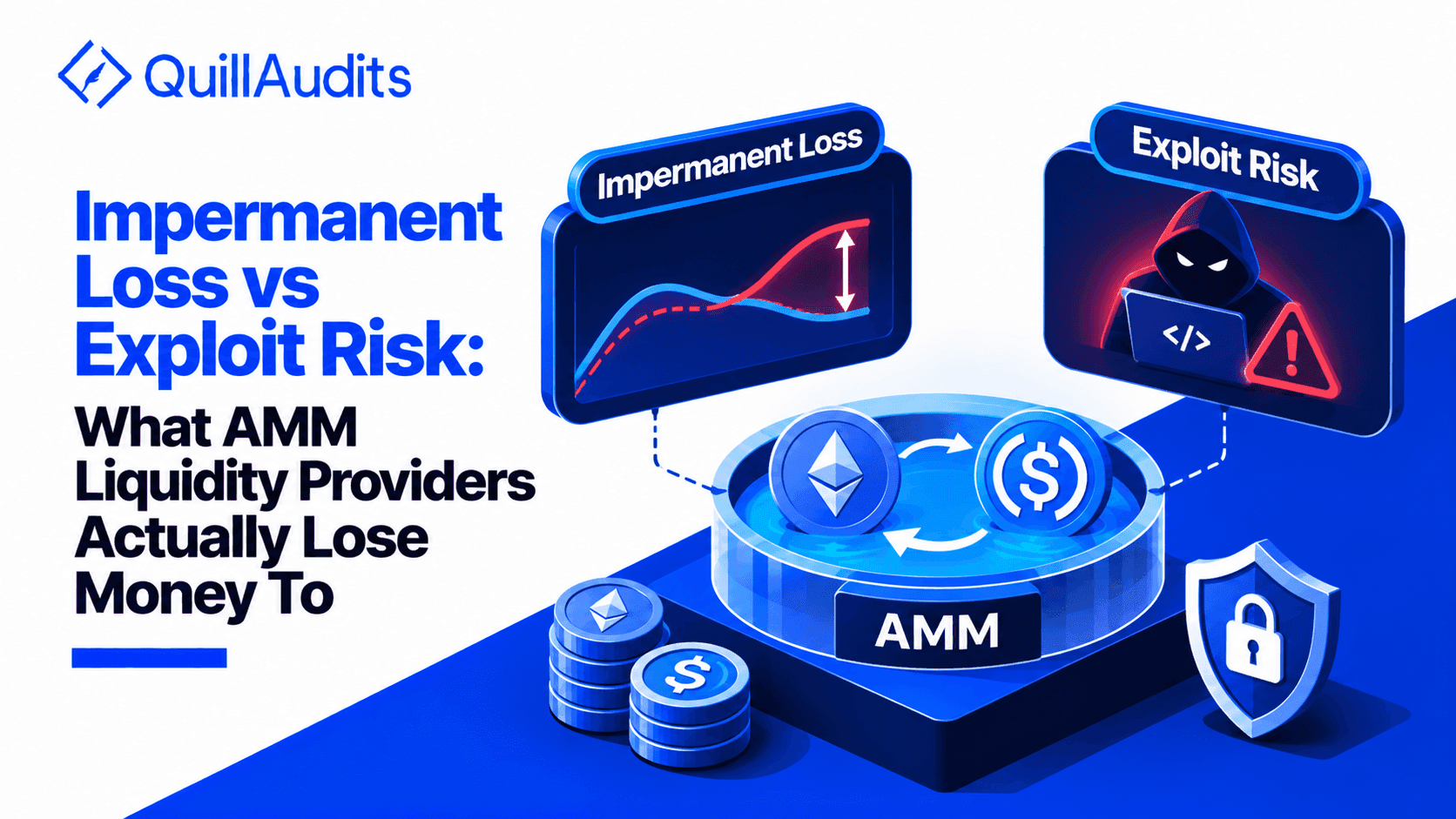
Impermanent Loss vs Exploit Risk: What AMM Liquidity Providers Actually Lose Money To
Understand what an impermanent loss calculator reveals—and what it misses. This guide explains how AMM price movements affect liquidity providers, breaks down the impermanent loss formula, and distinguishes normal market-driven losses from oracle manipulation, rounding errors, and reentrancy exploits. Explore real DeFi attack examples, LP risk disclosures, and practical security checks to assess pool risks before depositing with confidence.
Before launch
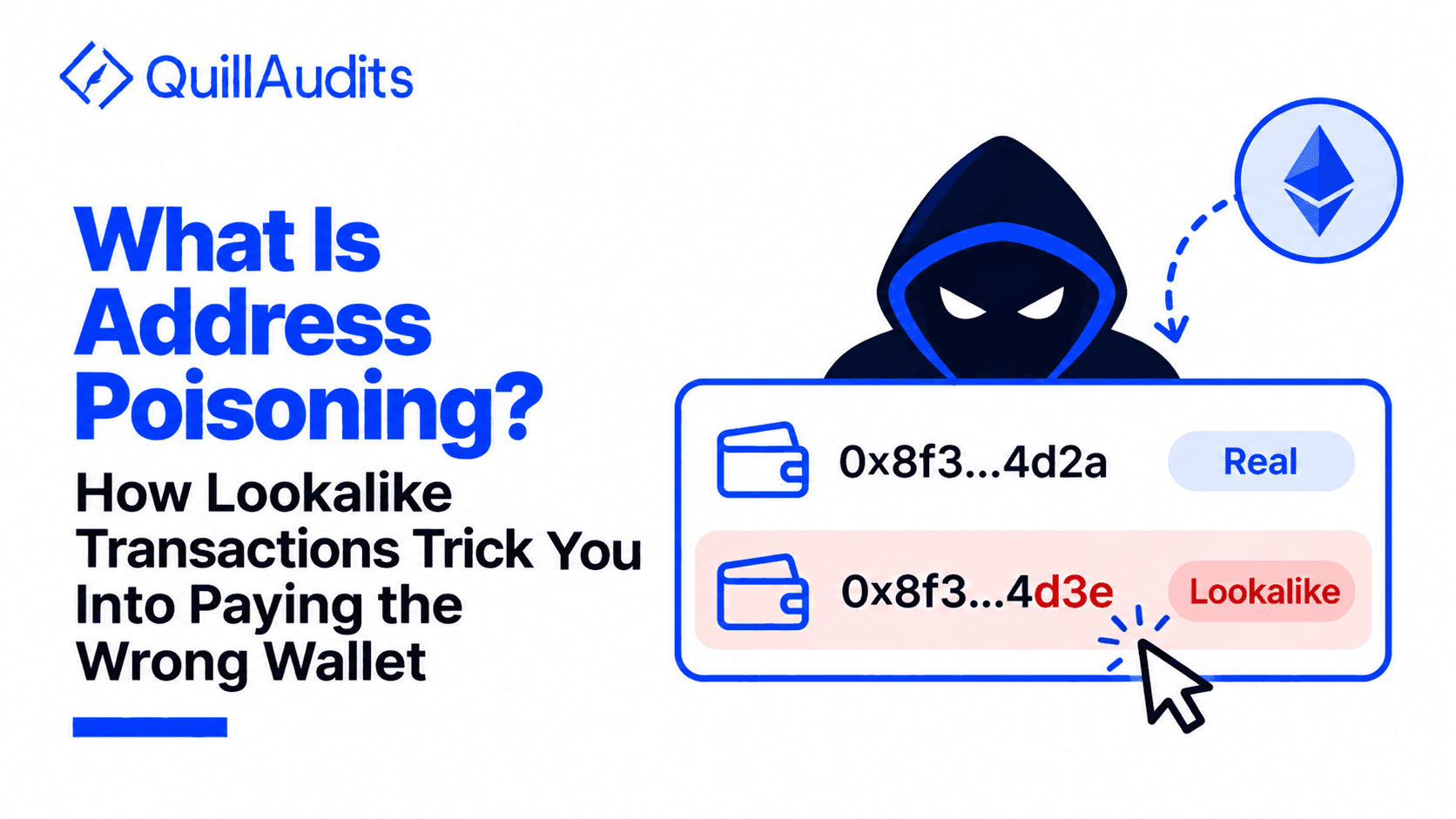
What Is Address Poisoning? How Lookalike Transactions Trick You Into Paying the Wrong Wallet
Learn how crypto address poisoning attacks exploit transaction history to steal funds through lookalike wallet addresses. Discover how zero-value transfers, vanity addresses, and dusting campaigns trick users into sending crypto to attackers. Explore the impact of Ethereum's Fusaka upgrade, real-world attack trends, and practical security measures for wallet users, exchanges, and Web3 protocols to prevent address poisoning scams.
Before launch
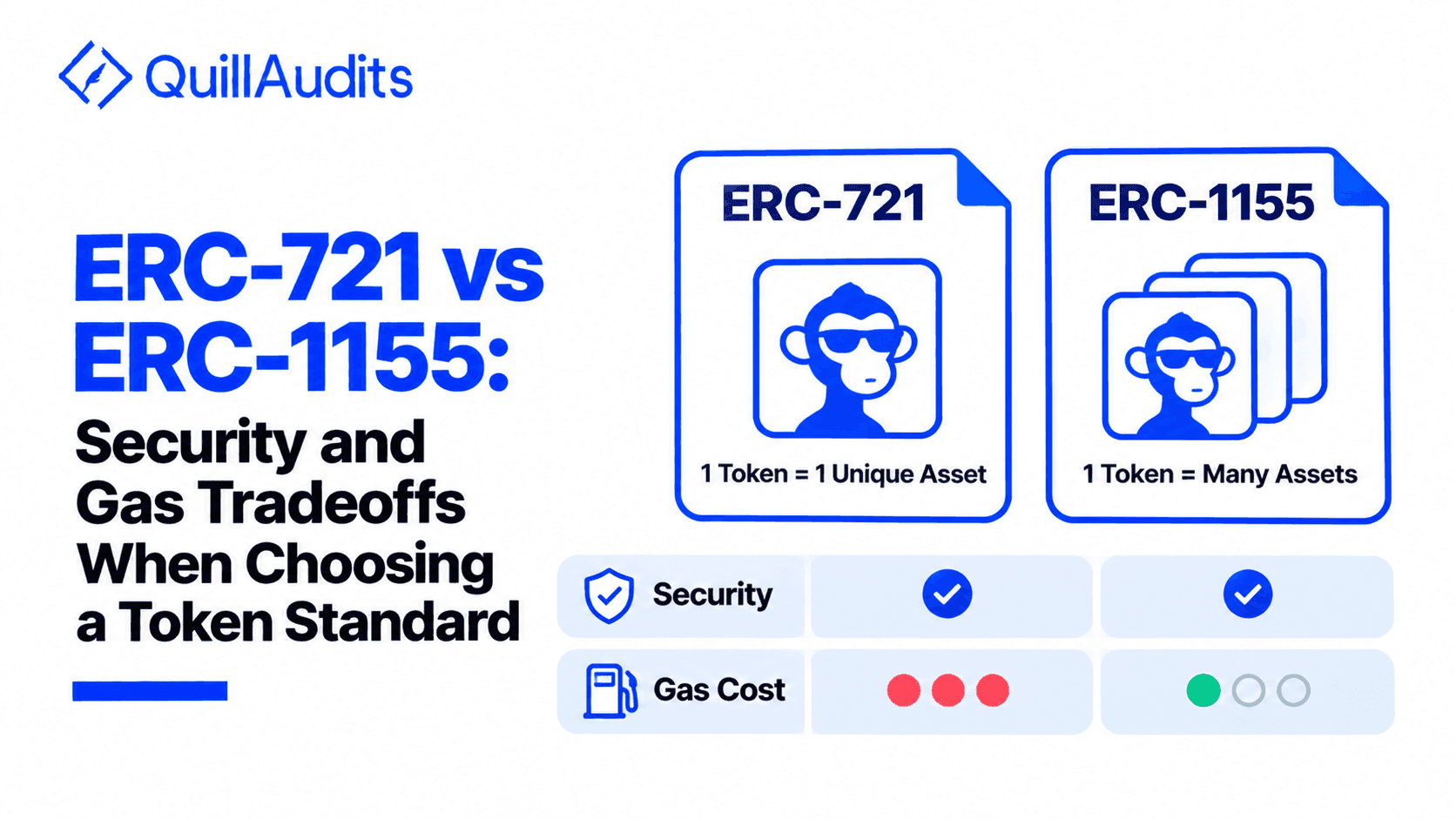
ERC-721 vs ERC-1155: Security and Gas Tradeoffs When Choosing a Token Standard
Compare ERC-721 vs ERC-1155 NFT standards to understand their differences in security, gas costs, ownership models, and scalability. Explore how batch transfers, receiver hooks, and reentrancy vulnerabilities affect each standard, with real-world exploit examples. Learn which NFT standard best suits your project and how smart contract audits can identify security risks before deployment.
Before launch
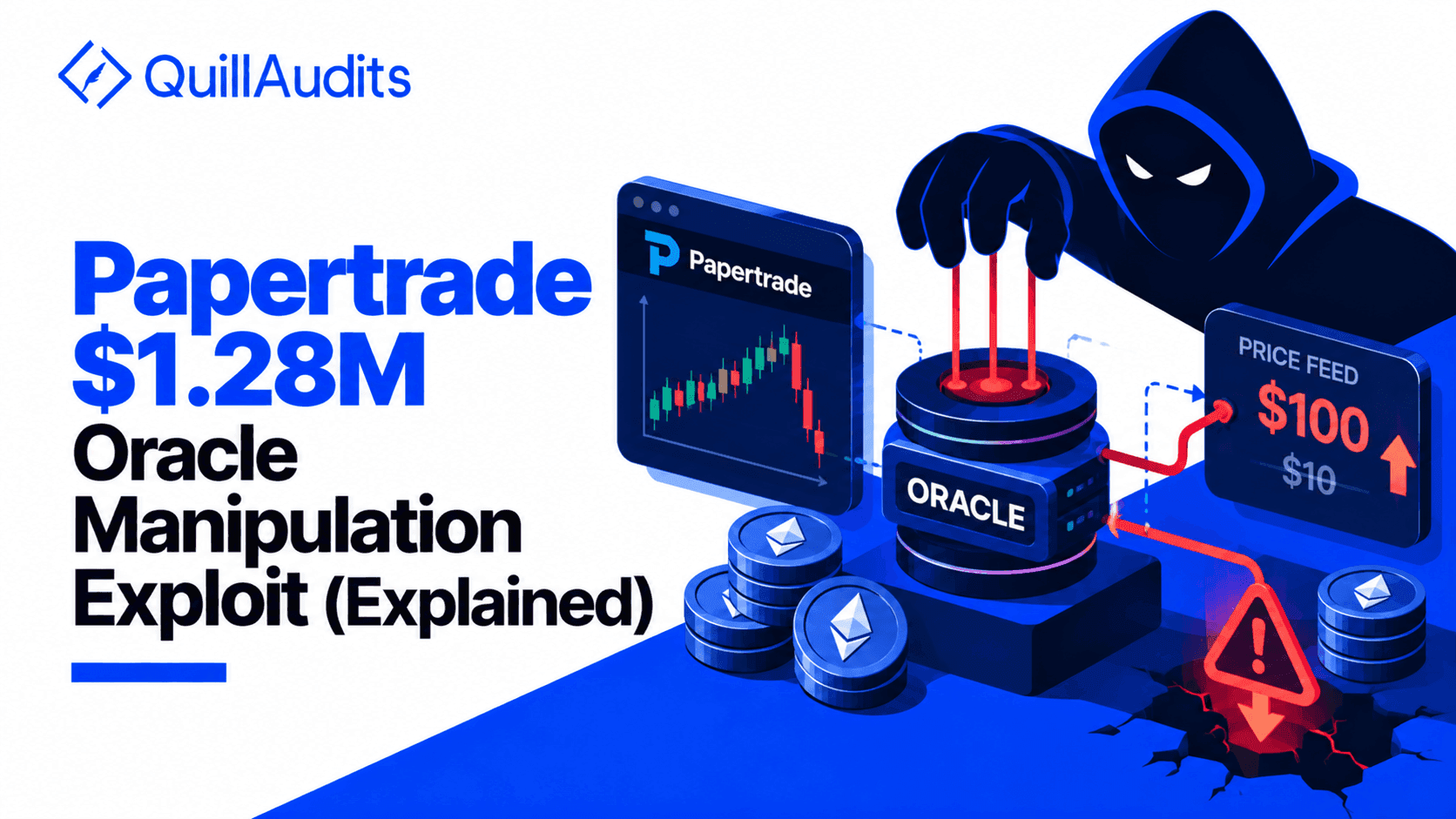
Papertrade $1.28M Oracle Manipulation Exploit (Explained)
Explore the Papertrade exploit that generated $1.28 million through price oracle manipulation on Hyperliquid-linked perpetuals. Learn how a single-source BBO mid-price, excessive leverage, and inadequate risk controls enabled the attack within eight hours. Discover the root cause, key lessons from similar DeFi exploits, and essential security measures, including oracle aggregation, TWAP pricing, liquidity-based leverage limits, and smart contract audits.
Before launch
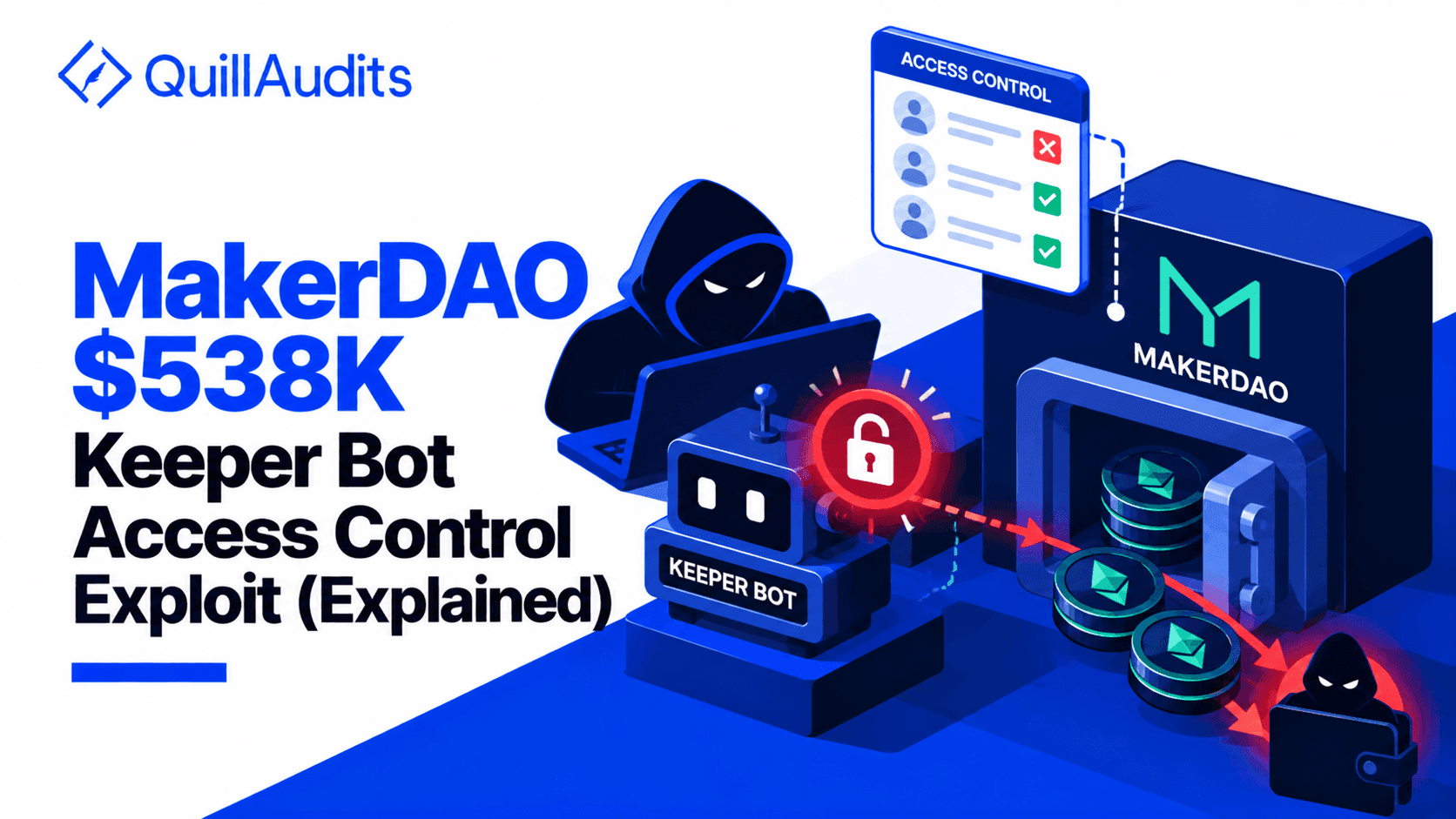
MakerDAO $538K Keeper Bot Access Control Exploit (Explained)
Learn how a six-year-old access control flaw in a third-party MakerDAO keeper bot led to a $538,000 exploit involving 200 WETH. Discover how dormant liquidation auctions and an unprotected function enabled the theft, why MakerDAO’s core protocol was not compromised, and how smart contract audits, access controls, on-chain monitoring, and legacy contract management can help prevent similar DeFi security incidents.
Before launch
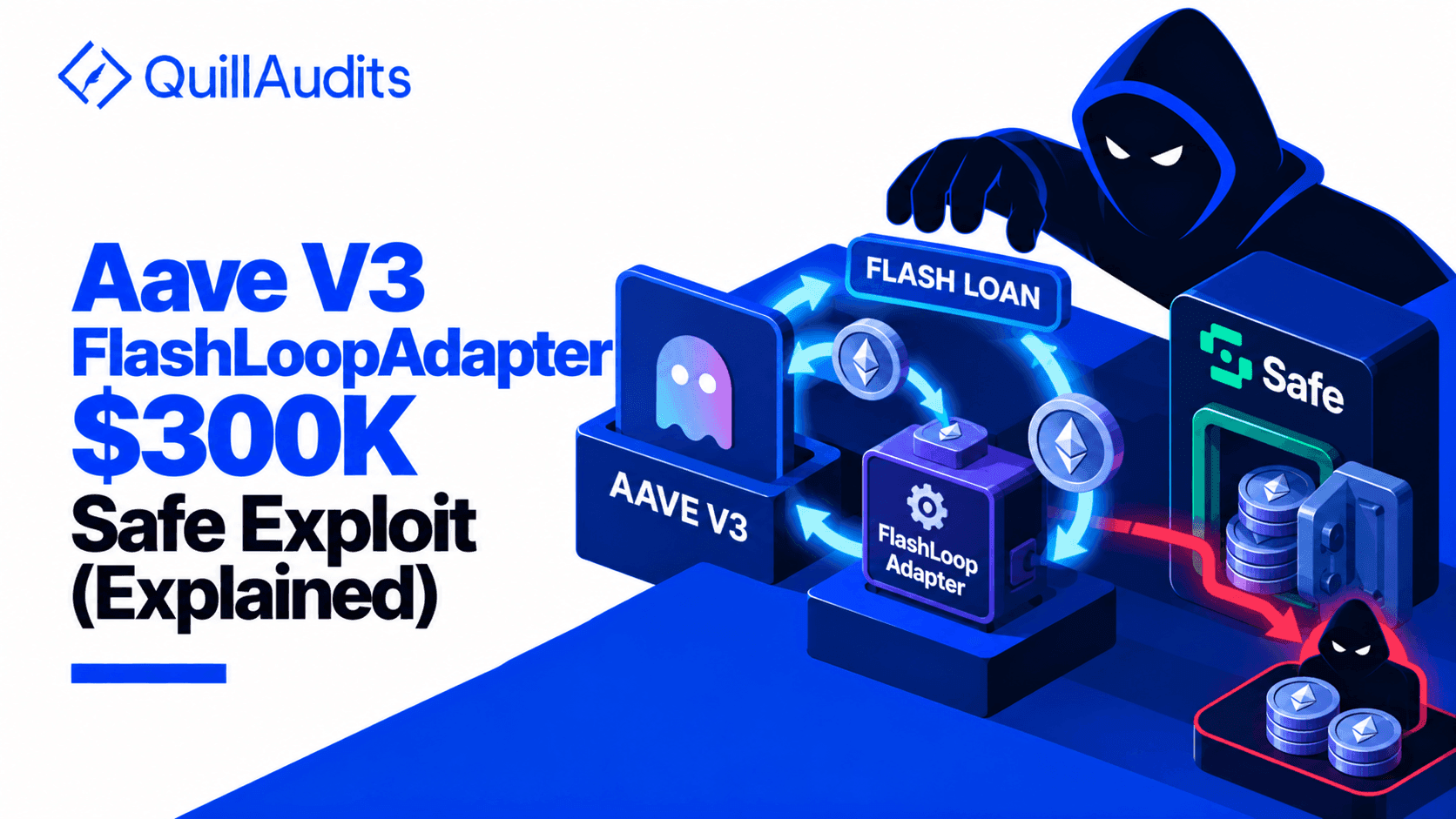
Aave V3 FlashLoopAdapter $300K Safe Exploit (Explained)
Discover how the FlashLoopAdapter exploit drained approximately $310,000 from two Safe wallets using leveraged Aave v3 positions. This breakdown explains how a forged isModuleEnabled() check bypassed module authentication, enabled unauthorized collateral withdrawals, and exposed critical access control weaknesses in a third-party adapter. Learn key lessons for Safe multisig security, module reviews, smart contract audits, and protecting DeFi treasuries from similar attacks.
Before launch
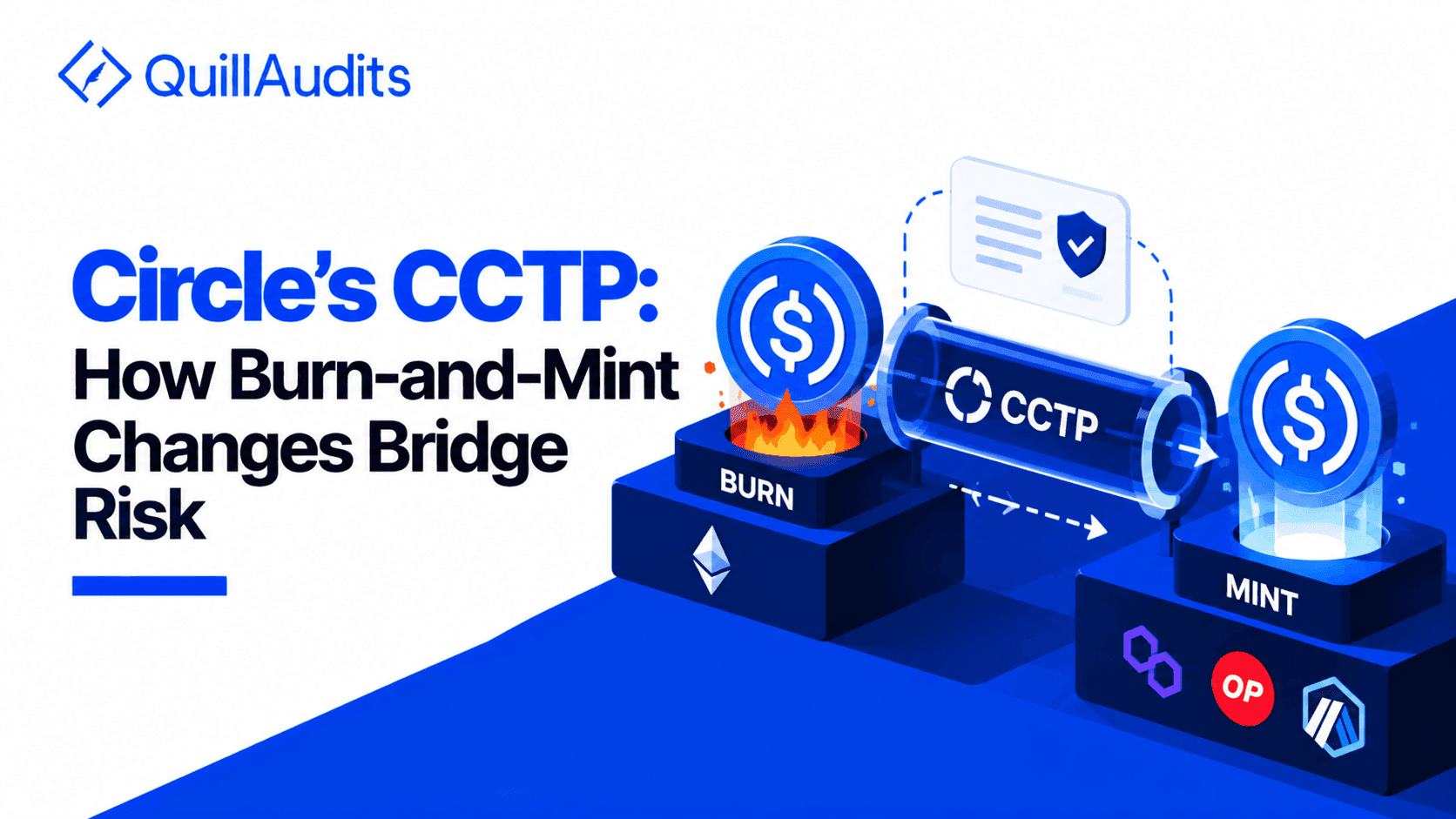
Circle's CCTP: How Burn-and-Mint Changes Bridge Risk
Circle’s CCTP removes the locked-pool risk that sank Wormhole, Ronin, and Nomad, but it doesn’t make cross-chain USDC transfers trustless. This guide explains how burn-and-mint works, what trust moves to Circle’s attestation service, attester keys, and upgrade admins, how Fast Transfer handles source-chain reorgs, and what builders should verify before integrating.
Before launch
Yield-Bearing Stablecoin Security: What Auditors Check
Stablecoin yield protocol security goes beyond peg code. This guide shows what auditors check across the full stack of yield-bearing stablecoins like sUSDe and USD0++: ERC-4626 vault accounting, oracle feeds, off-exchange custody counterparties, redemption circuit breakers, and governance controls, using the 2025 USD0++ depeg to show what breaks when one layer fails
Before launch
ERC-7683 Intent-Based Bridges: Solver Security Risks
Intent-based bridge architecture doesn’t remove bridge trust assumptions, it moves them to solvers and fillers. This guide explains how ERC-7683 and the Open Intents Framework standardize orders, where resolver and filler risk sits, how Across, Eco, UniswapX, and LI.FI differ in trust models, and what to check before routing funds through an intents protocol.
Before launch
DeFi Insurance Compared: Nexus Mutual vs Sherlock vs InsurAce
An audit lowers your exploit risk, but who pays users if a hack still happens? This guide compares DeFi insurance for founders across Nexus Mutual, Sherlock, and InsurAce: coverage terms, exclusions, claims timelines, real payout history like Euler and Terra, and available capacity, plus how to budget an audit and a cover policy together before launch.

Before launch
What Is a Honeypot Token? How Scam Contracts Let You Buy but Not Sell
A honeypot token checker simulates a buy-then-sell cycle to see if a contract lets you exit. Learn the code patterns behind honeypot scams, from hidden blacklists to adjustable sell taxes and owner-only trading switches. See why a ‘safe’ result can still miss delayed triggers, plus a quick pre-buy checklist to verify a contract yourself.
Before launch
What Is a Stablecoin Depeg? Why Pegs Break and What Happens Next
What is a stablecoin depeg? Learn why pegs break, how collateralized and algorithmic failures differ, and why confidence loss triggers a spiral, using USDC, UST, and USDe as examples. See what extra risks RWA-backed stablecoins carry, from stale oracles to admin-key freezes, and what a peg defense security review should cover.
Before launch
EIP-8141 and Ethereum's Post-Quantum Wallet Roadmap
EIP-8141 gives Ethereum its first shippable post-quantum building block, but it doesn’t make wallets quantum-safe on its own. Learn how frame transactions and the VERIFY frame change smart contract wallets, what the proposal doesn’t fix, and why wallet teams should focus on crypto-agility and auditing custom verification code before the precompiles are final.
Before launch
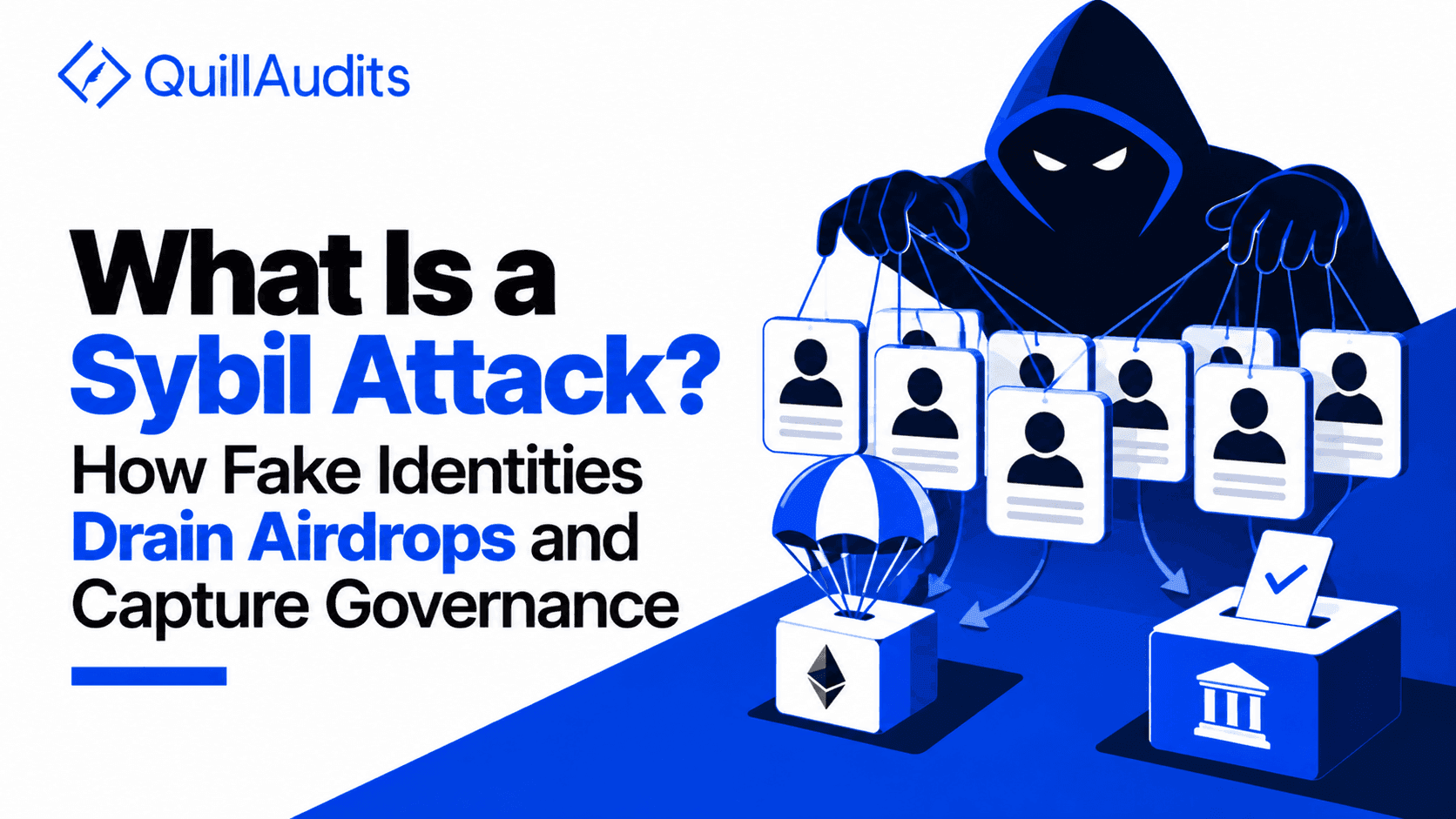
What Is a Sybil Attack? How Fake Identities Drain Airdrops and Capture Governance
What is a Sybil attack? One actor creates thousands of fake wallets to farm token airdrops or outvote real holders in a DAO. Learn how the ROBO and Arbitrum airdrop farms worked, how governance Sybil attacks differ from BonkDAO-style vote exploits, which resistance techniques hold up, and what to review before your token generation event.
Before launch
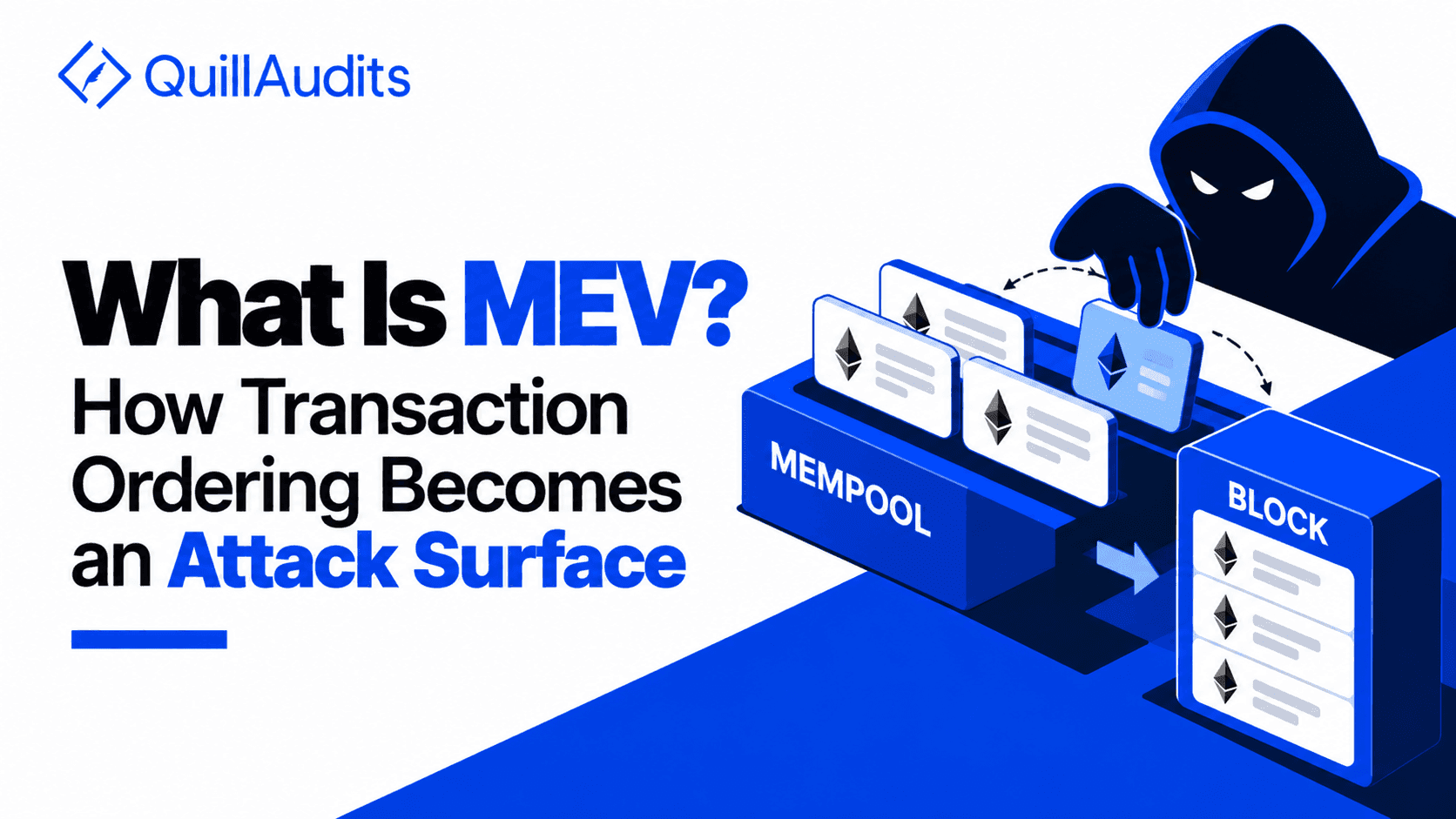
What Is MEV? How Transaction Ordering Becomes an Attack Surface
What is MEV in crypto? Maximal Extractable Value is the profit earned by reordering transactions, from sandwich attacks and front-running to arbitrage and liquidation races. Learn how each attack works, why MEV is a protocol design problem rather than just a mempool problem, how founders can mitigate it, and which design patterns auditors flag before mainnet.
Before launch
Tempo Blockchain Security: What to Audit Before You Build
Tempo mainnet launched March 18, 2026 with Visa, Shopify, and Deel building on it, but published third-party audits haven’t kept pace. This Tempo blockchain security audit checklist explains what a permissioned validator set means for your threat model, what’s verified so far, and what builders must check on their own contracts and integration before deploying.
Before launch
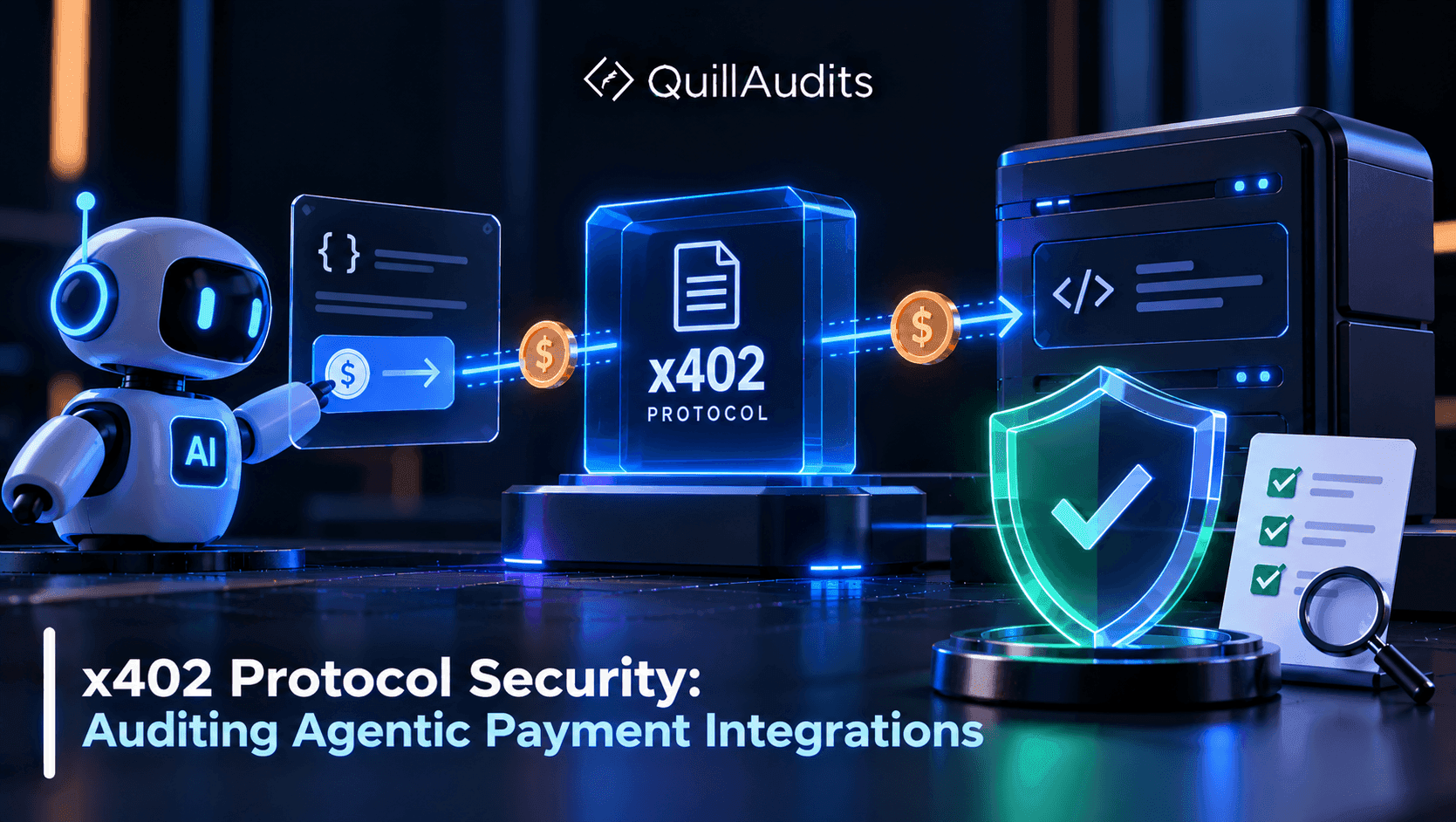
x402 Protocol Security: Auditing Agentic Payment Integrations
Researchers tested 15 x402 facilitators and found every one broke at least one security rule, uncovering 31 vulnerabilities. This guide explains how the x402 payment flow works, the four attack classes (free shopping, asset theft, service denial, gas abuse), other implementation gaps, and what to check before wiring agentic payments into your protocol.
Before launch
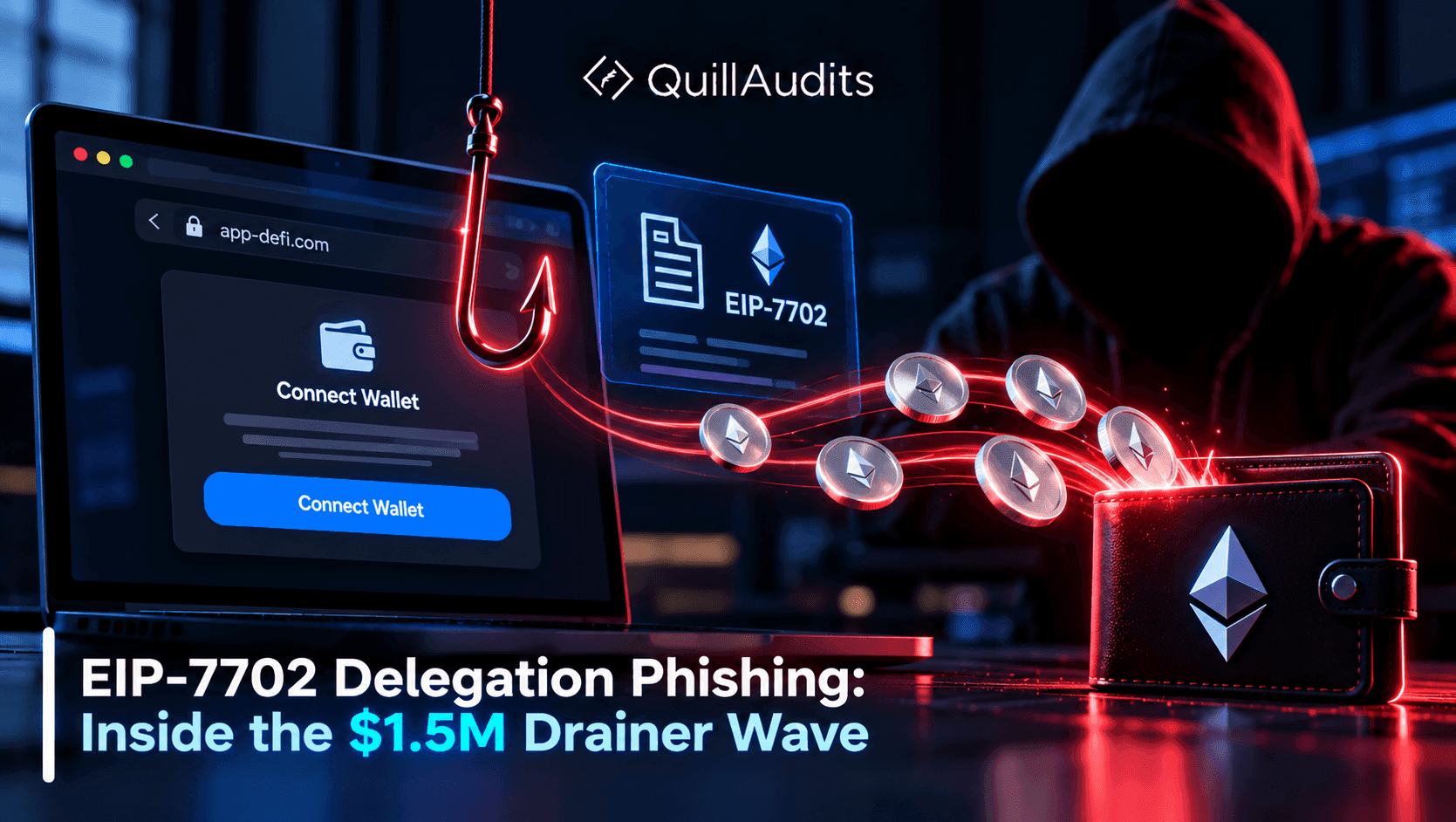
EIP-7702 Delegation Phishing: Inside the $1.5M Drainer Wave
EIP-7702 delegation phishing lets one signature hand an attacker full control of your wallet. See how the October 2026 drainer wave cost users $1.54M and $22.7K through the same CrimeEnjoyor sweeper, how fake smart account upgrades trick signers, and how users, wallets, and dApps can protect themselves with safer authorization prompts and delegation checks.
Before launch
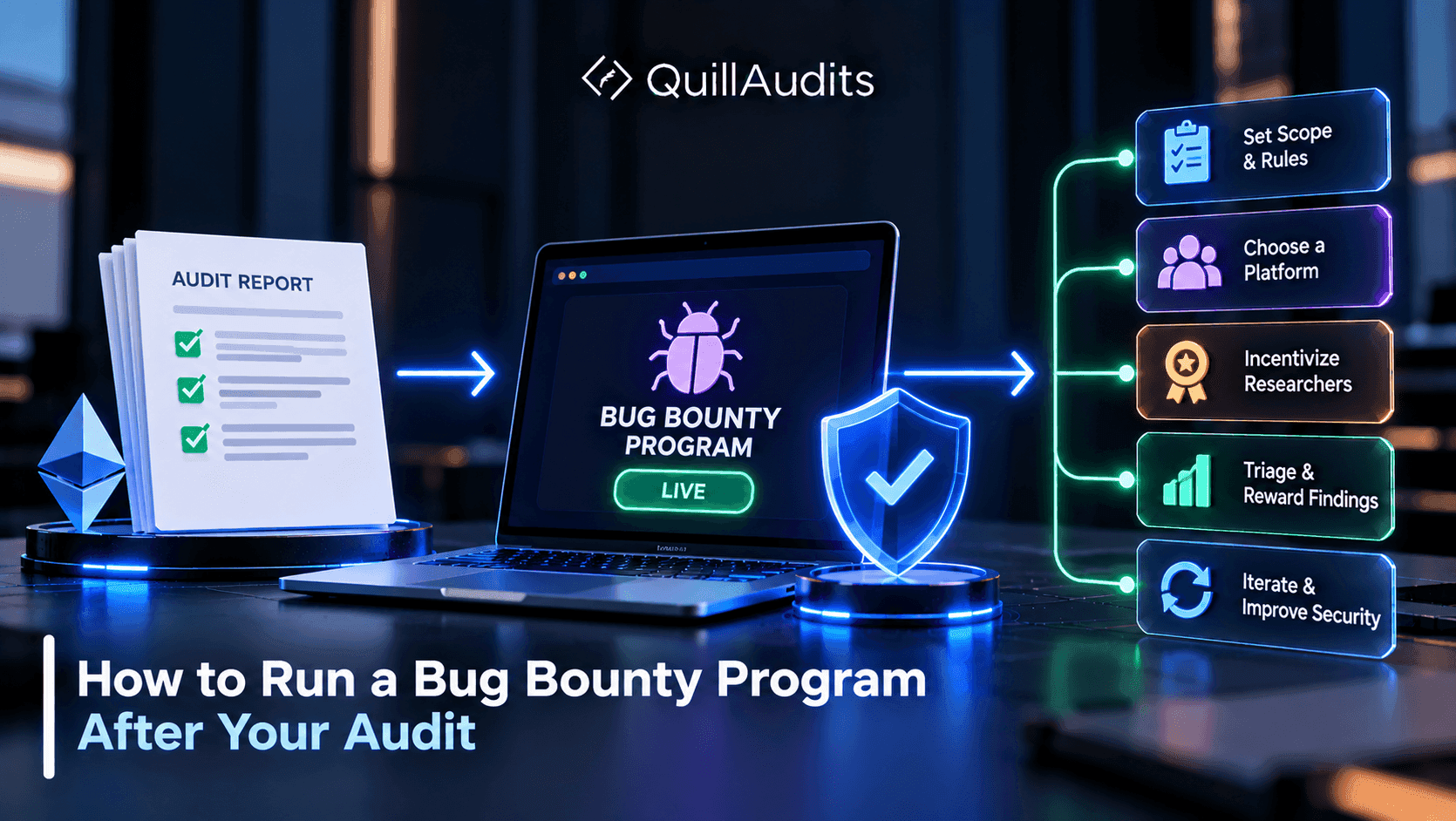
How to Run a Bug Bounty Program After Your Audit
Your audit is closed, but is your protocol covered? Learn how to run a bug bounty program after your audit: set severity tiers and payouts against funds at risk, choose between Immunefi, Sherlock, Cantina, and CodeHawks, write scope and safe harbor rules, build a triage workflow, and keep scope current as new exploit patterns emerge
Before launch
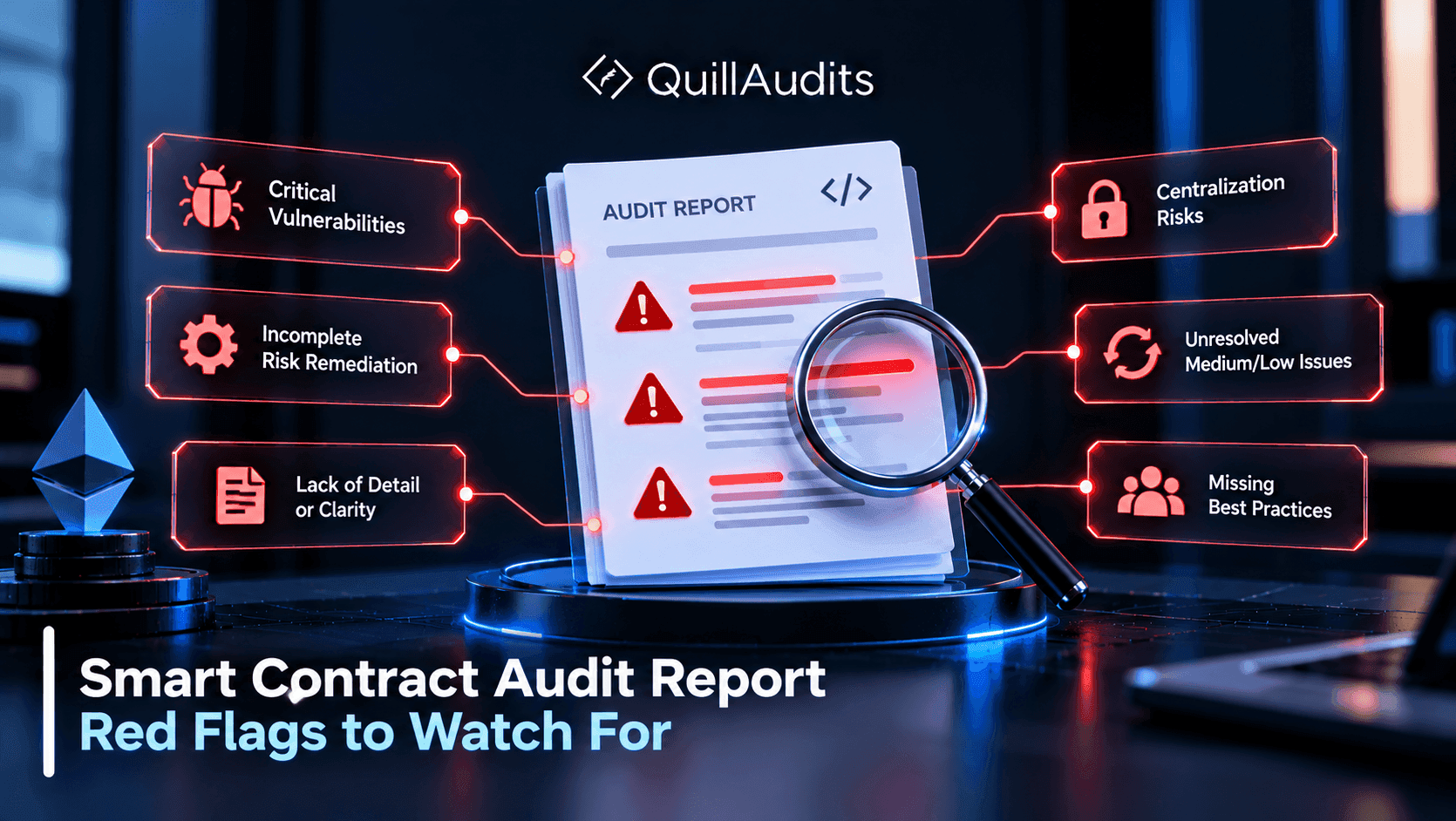
Smart Contract Audit Report Red Flags to Watch For
Learn how to evaluate an audit report before you trust a protocol with funds. This guide covers four checks: verifying the audited code matches the deployed contract, decoding resolved vs. acknowledged findings, spotting scope gaps, and catching admin privilege risks like weak multisig thresholds, with examples from Drift, Compound, and Euler and a quick checklist.
Before launch
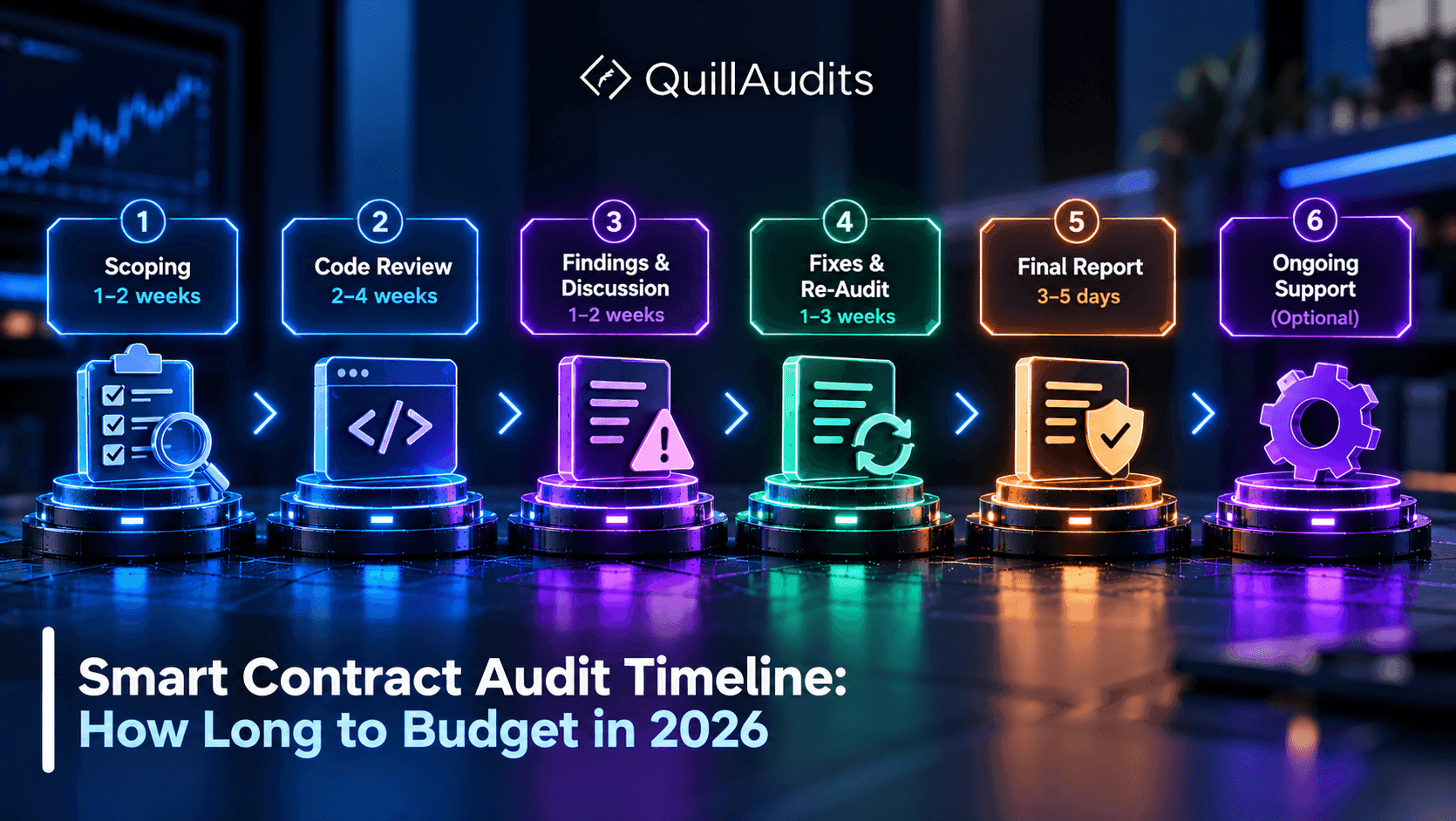
Smart Contract Audit Timeline: How Long to Budget in 2026
How long does a smart contract audit really take? This 2026 guide covers review times by complexity, from simple tokens to bridges, plus the booking lead time and fix-verification pass most timelines skip. Learn what delays audits mid-engagement and how to plan your launch date around both clocks, so your mainnet date doesn’t depend on guesswork.
Before launch
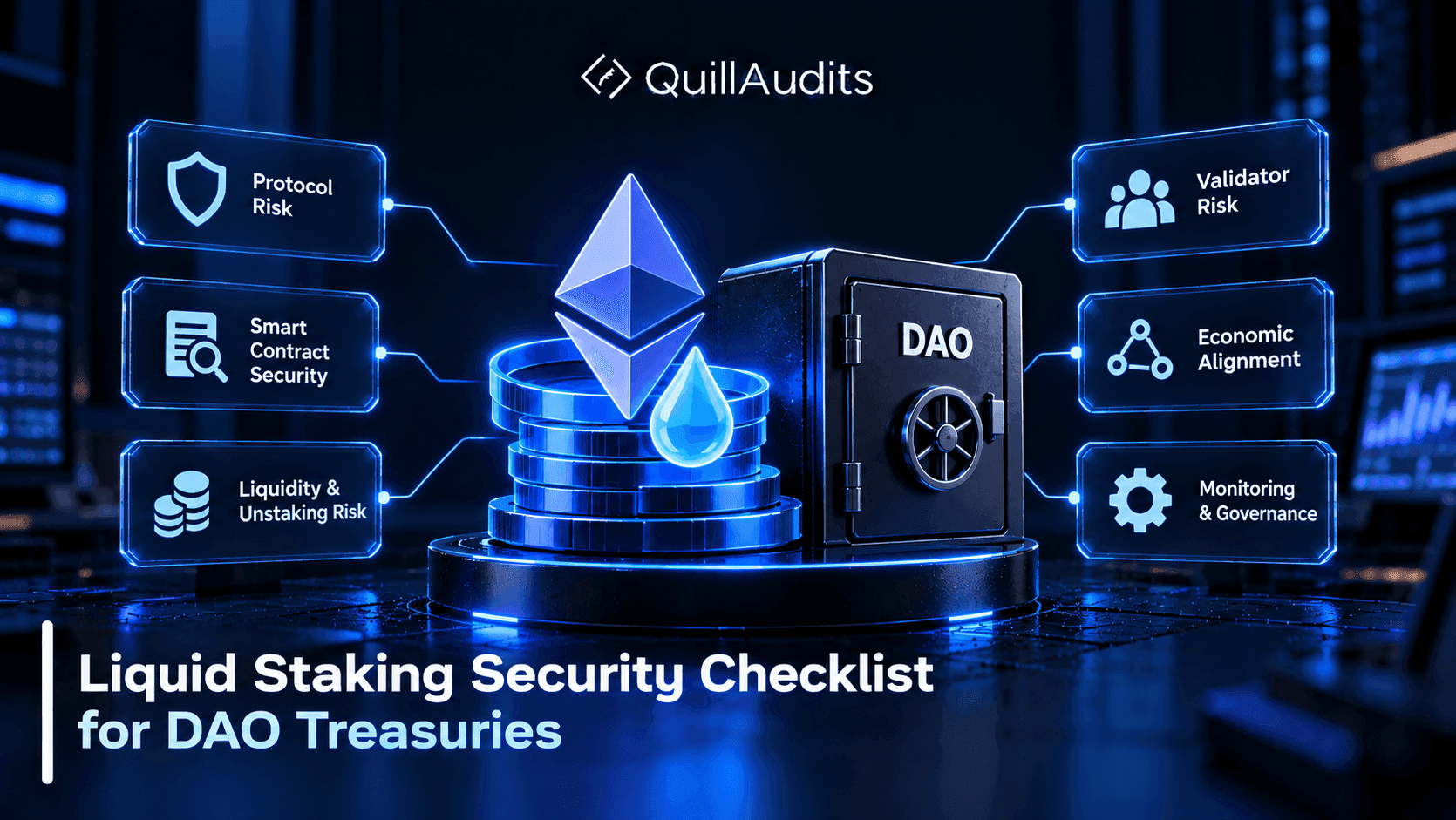
Liquid Staking Security Checklist for DAO Treasuries
Before your DAO parks treasury funds in a liquid staking token, run this liquid staking risk assessment. It covers validator concentration, slashing, withdrawal queues, peg stability, audit and admin-key exposure, and regulatory posture, using the 2025 mass-slashing event, the stETH depeg, and the Cork exploit, plus an 11-point checklist and Solana-specific differences.
Before launch
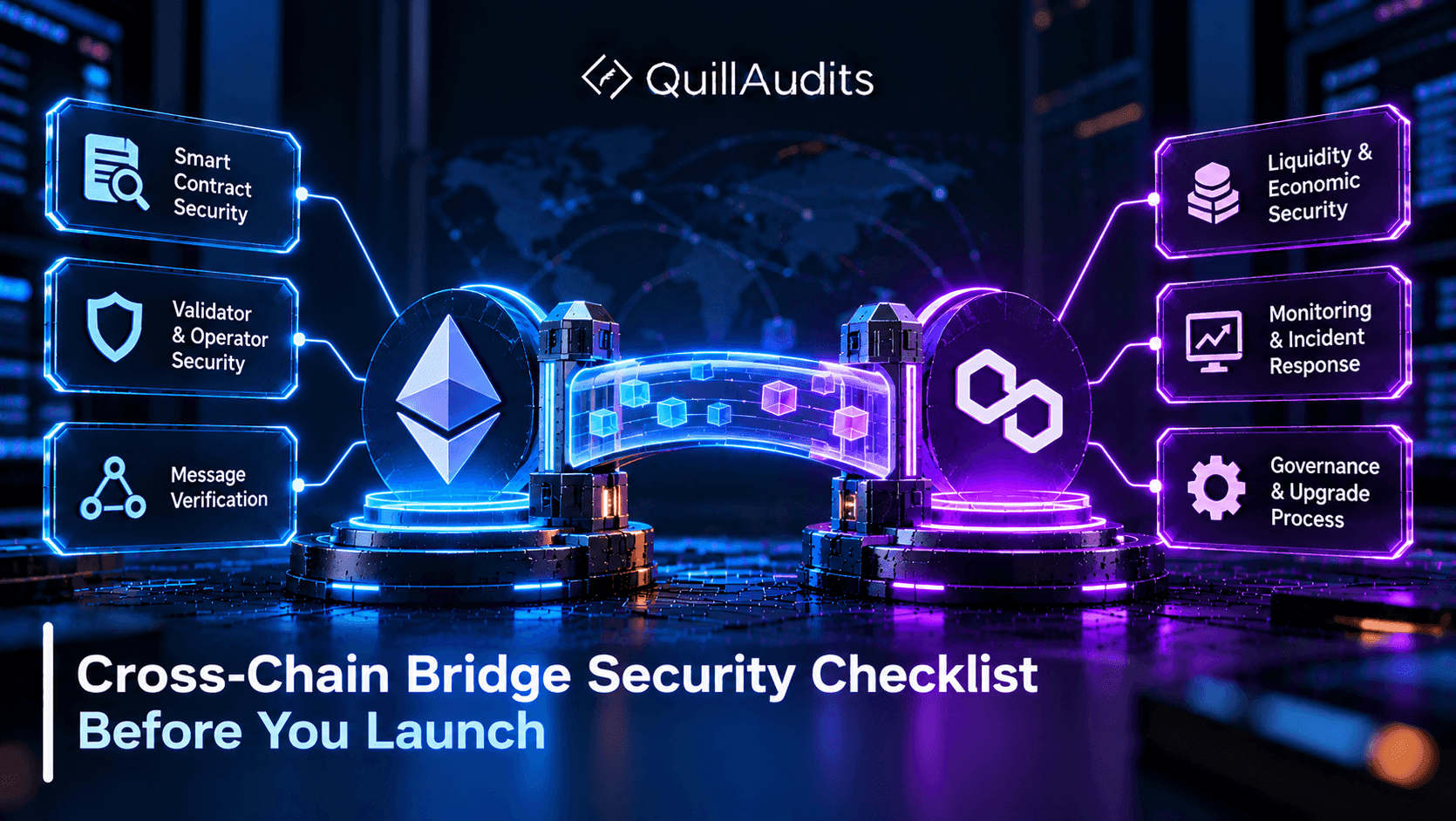
Cross-Chain Bridge Security Checklist Before You Launch
Use this bridge smart contract security checklist to scope your pre-launch audit. Learn how to map trust boundaries, validate messages and replay protection, lock down token registries and admin keys, and set circuit breakers that actually trigger, drawing on the KelpDAO, Gravity Bridge, and BSC Token Hub exploits and what a bridge-specific audit covers that a generic one misses.
Before launch
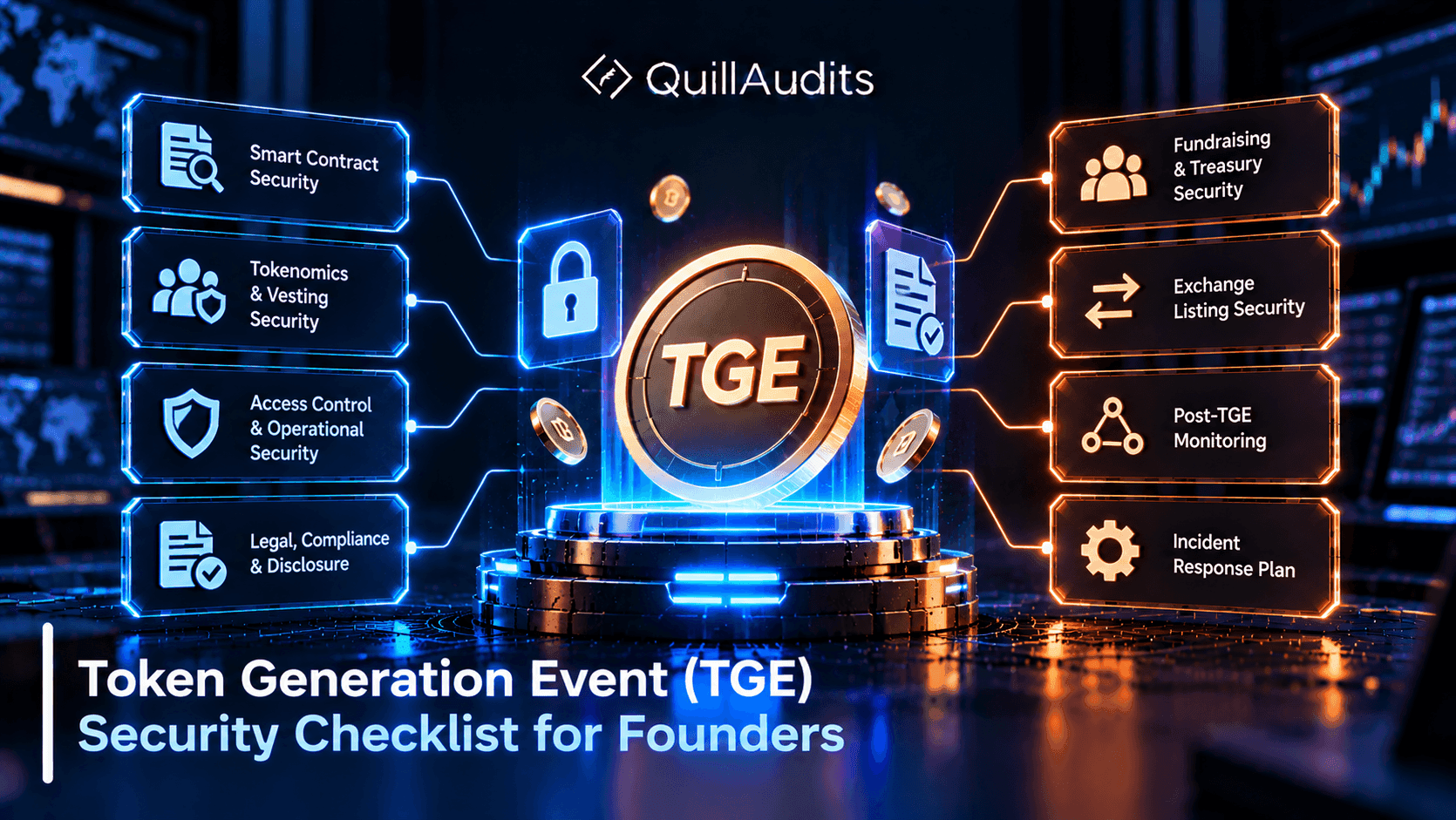
Token Generation Event Security Checklist for Founders
This token generation event checklist covers the security steps most TGE guides skip: commissioning and publishing your audit early, deciding mint and pause authority, separating deployer, admin, and treasury roles, documenting your multisig, rehearsing deployment on testnet, and running a verified launch day, using Truebit’s $26.44M overflow exploit and the Bybit blind-signing failure as lessons.
Before launch
ERC-3643 vs ERC-7943: Choosing an RWA Token Standard
Which is the best token standard for RWA issuance: ERC-3643 or ERC-7943? This comparison breaks down identity registry versus lightweight compliance hooks, per-transfer gas costs, audit surface, and upgrade risks, then maps each standard to deal types like tokenized real estate, private credit, and treasury bills so you can pick the right fit before launch.
Before launch
CLOB vs AMM: Security Tradeoffs for Launching a New DEX
AMM or CLOB for your new DEX? This architecture comparison maps where each model’s attack surface actually lives: sandwich attacks and pool contract logic on AMMs, sequencer centralization and thin order books on CLOBs. See what 2025-2026 data and the Mango Markets exploit reveal, plus what a pre-launch security review must cover for each design.
Before launch
Chainlink vs Pyth vs API3: Choosing an RWA Price Oracle
What does your RWA price feed do when the market behind it closes? This price feed oracle comparison for 2026 pits Chainlink, Pyth, and API3 on push vs pull delivery, first-party sourcing, weekend staleness, and RWA tooling like NAVLink and OEV, plus a pre-integration checklist drawn from the Ostium and Loopscale exploits.
Before launch
Forta vs Hypernative: Choosing On-Chain Monitoring Tools
Your audit is done, but who watches the protocol after launch? This DeFi security monitoring platform comparison breaks down Forta’s decentralized detector network and Firewall against Hypernative’s AI risk engine and Transaction Guard, explains inline blocking versus alert-only feeds, and shows how to choose by protocol size, including an audit-bundled option for earlier-stage teams.
Before launch
Solana vs Base: Security Tradeoffs for Your DeFi Protocol
Base or Solana for your DeFi launch? This comparison covers account models, parallel execution, reentrancy exposure, and audit tooling, then tests those risks against 2026 hack data: Solana’s losses were over 98% key compromise, while Base’s worst incident was a whitelist failure. See which chain fits your protocol and what both the code and governance need before mainnet.
Before launch
OP Stack vs Arbitrum Orbit: Appchain Security Tradeoffs
Choosing a rollup stack sets your fraud-proof system, data availability, and who can upgrade your chain overnight. This OP Stack vs Arbitrum Orbit comparison covers Cannon and BoLD dispute systems, L2 vs L3 settlement, Security Council and chain-owner key risks, and a pre-mainnet audit checklist for appchain teams deciding which framework to fork.
Before launch
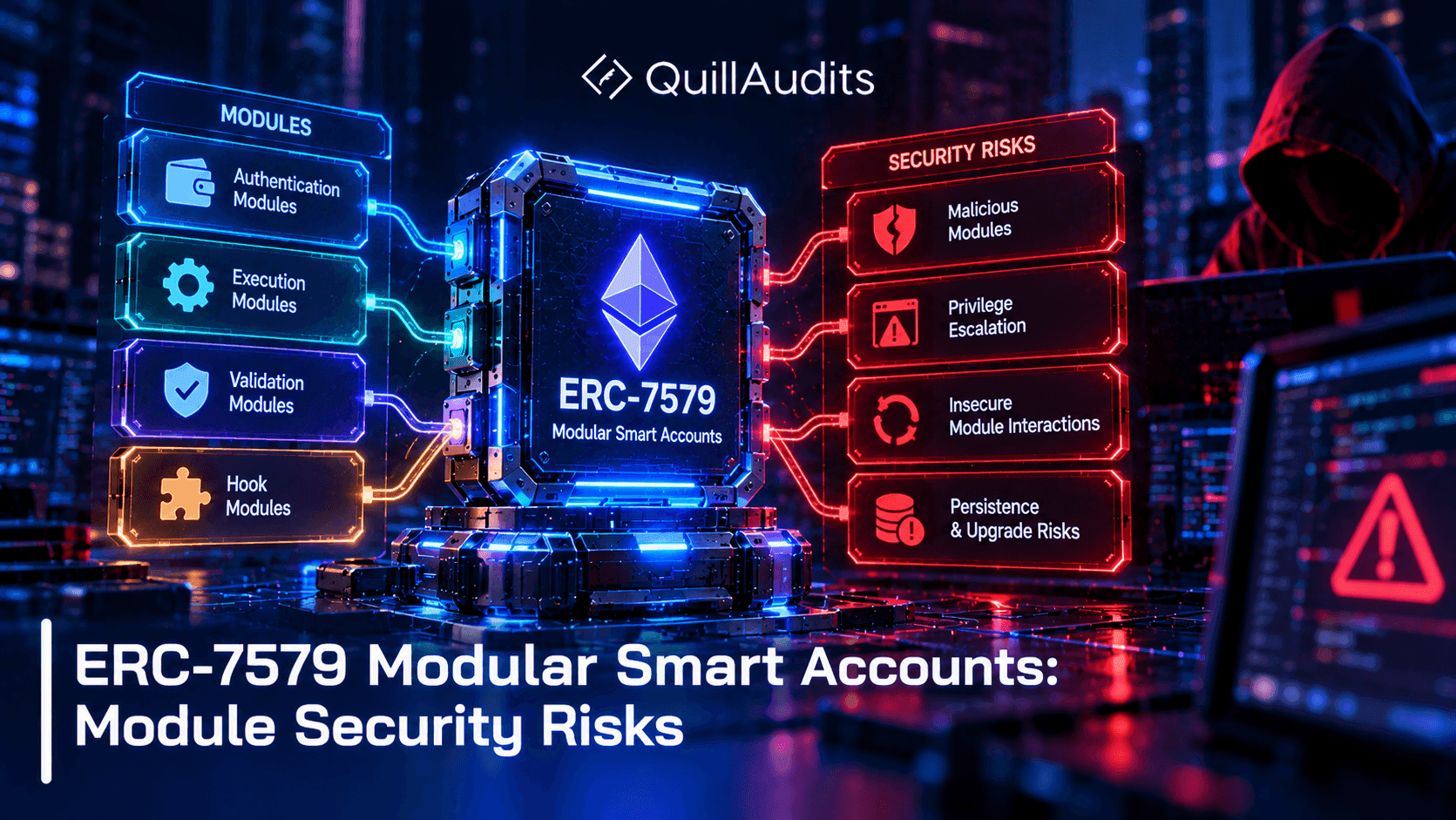
ERC-7579 Explained: Modular Smart Account Security Risks
ERC-7579 lets smart accounts install validators, executors, fallback handlers, and hooks like apps, but every module is also an attack surface. This guide explains the four module types, reentrancy in onInstall callbacks, hook-based uninstall griefing, and how ERC-7484 registries and guardians help, plus a security checklist to run before you call installModule.
Before launch
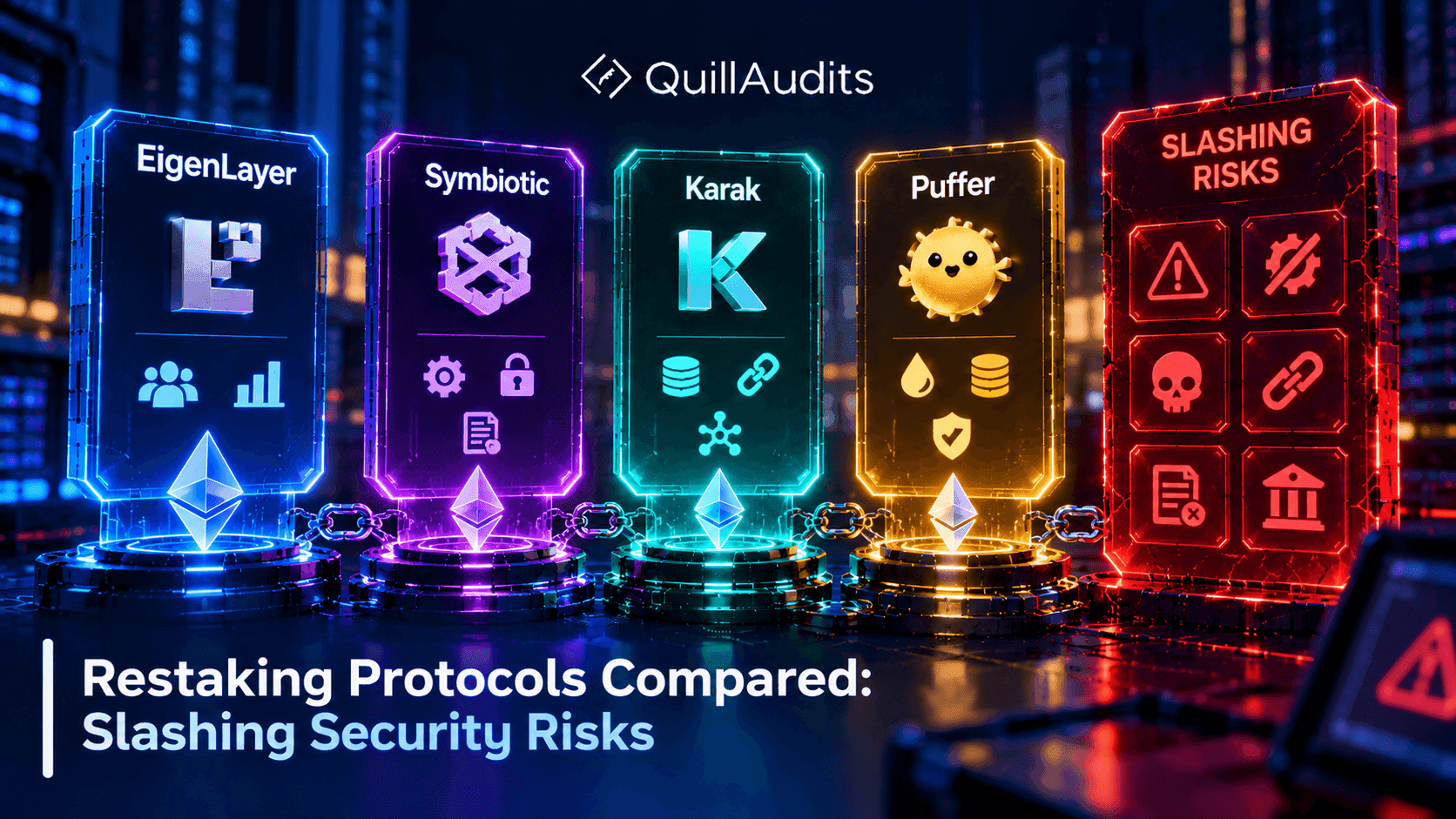
Restaking Protocols Compared: Slashing Security Risks
How do EigenLayer, Symbiotic, and Karak keep a slash on one service from spreading to others? This shared security restaking comparison breaks down unique stake, vault-level isolation, and DSS caps, plus where the economics still hurt restakers, why Karak’s 2026 pivot to OpenGDP is a risk signal, and key questions to ask before depositing collateral.

Before launch
Echidna vs Foundry: Choosing a Smart Contract Fuzzer
Echidna or Foundry for Solidity invariant testing? This comparison uses real benchmark data, including Medusa, to show where each fuzzer finds bugs first, then builds a DeFi vault invariant suite with handler contracts and ghost variables. Learn how to combine tools as a CI gate and overnight campaign so your contracts are fuzz-tested before they reach an audit.
Before launch
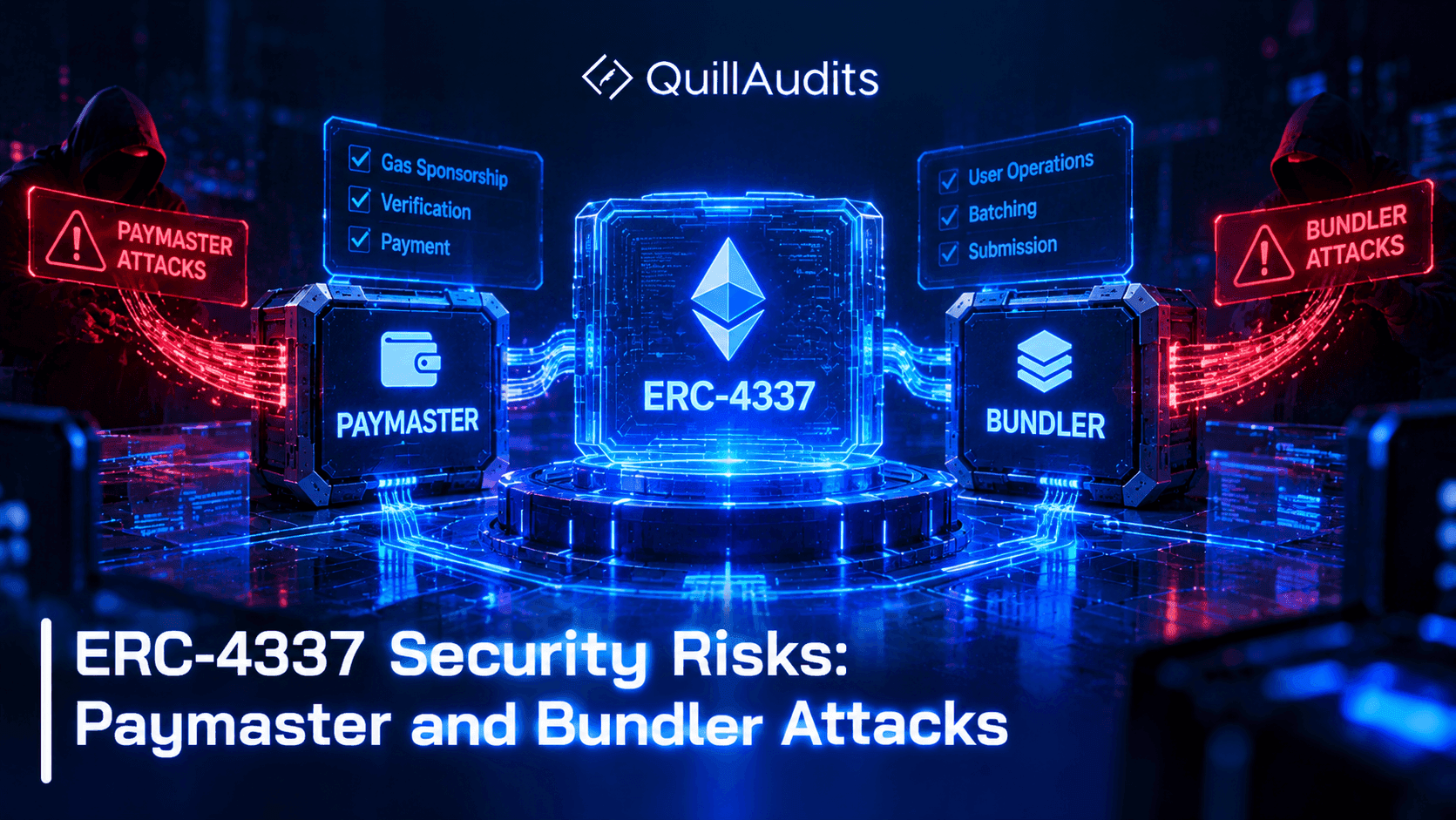
ERC-4337 Security Risks: Paymaster and Bundler Attacks
Account abstraction security goes beyond wallet code. This guide explains ERC-4337’s four trust boundaries (sender, paymaster, bundler, EntryPoint), how paymaster drain and postOp() failures work, why ERC-7562 bans certain opcodes, what the $270K Lumi Finance Sodium exploit revealed, and a checklist for teams running their own smart accounts, paymasters, and bundler infrastructure.
Before launch
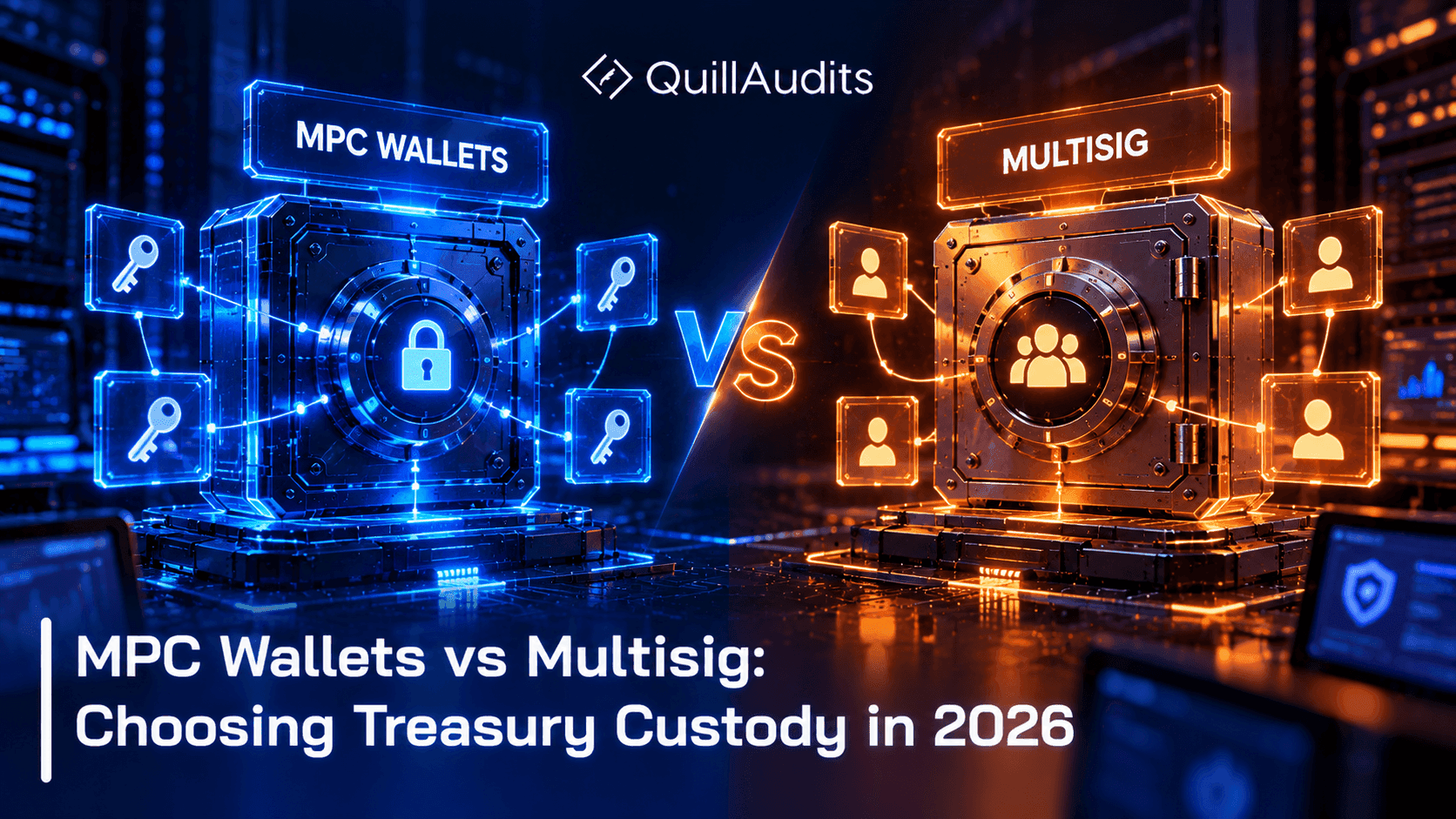
MPC Wallets vs Multisig: Choosing Treasury Custody in 2026
MPC wallets or multisig: which should secure your Web3 treasury? This guide compares both architectures on key compromise, onchain auditability, gas costs, and cross-chain use, using the Bybit ($1.5B) and Drift Protocol ($285M) hacks as case studies, plus when a hybrid setup makes sense for DAOs and protocol teams.
Before launch
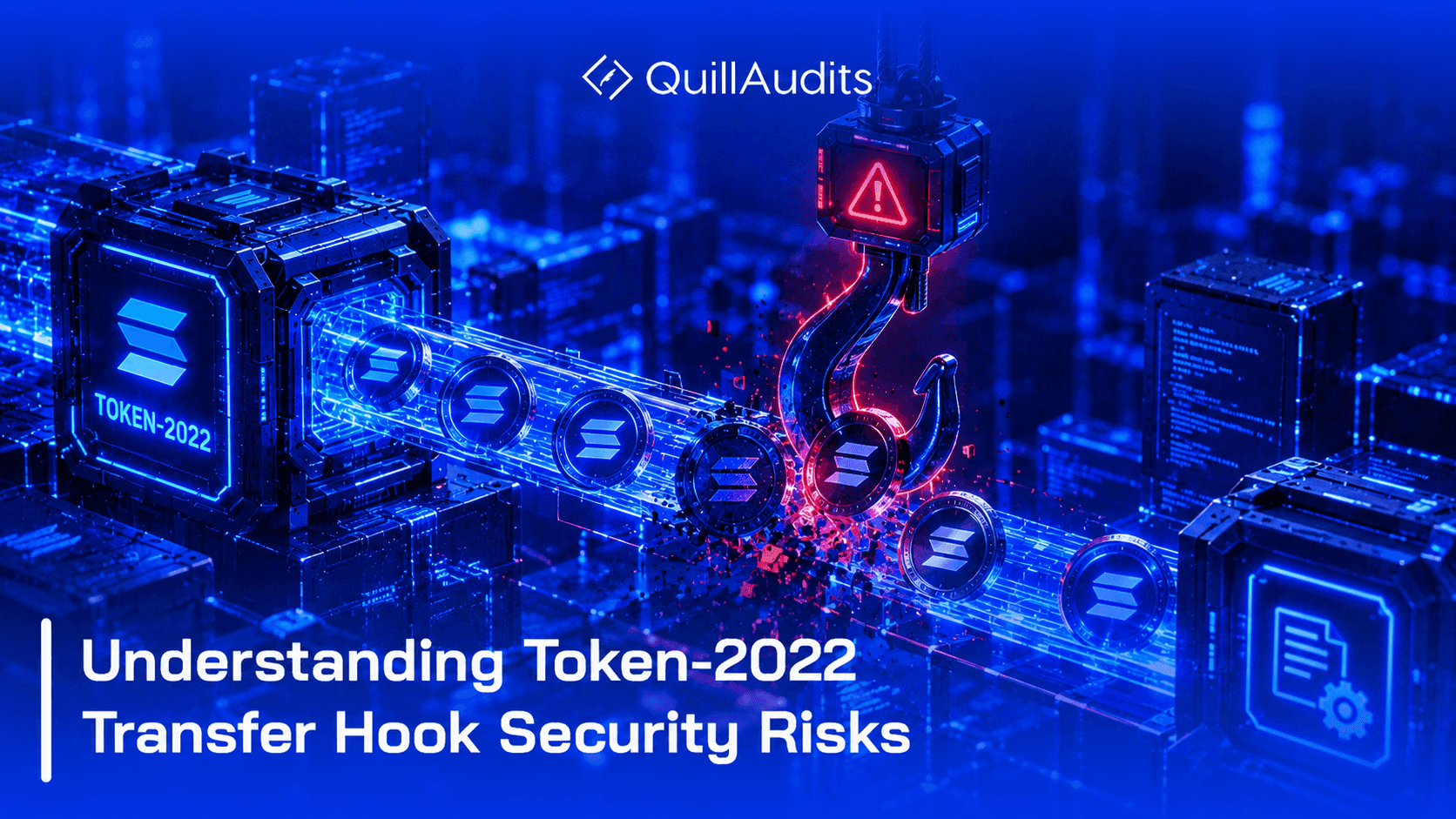
Understanding Token-2022 Transfer Hook Security Risks
Token-2022 transfer hooks let mint creators run code inside your Solana program’s transfers, reopening reentrancy and account-spoofing risks. This Token-2022 audit checklist covers mint-scoped ExtraAccountMetaList PDAs, CPI Guard self-delegation bypasses, permanent delegates, mint close authority, and confidential transfer auditor keys, so you can verify every extension before mainnet.
Before launch
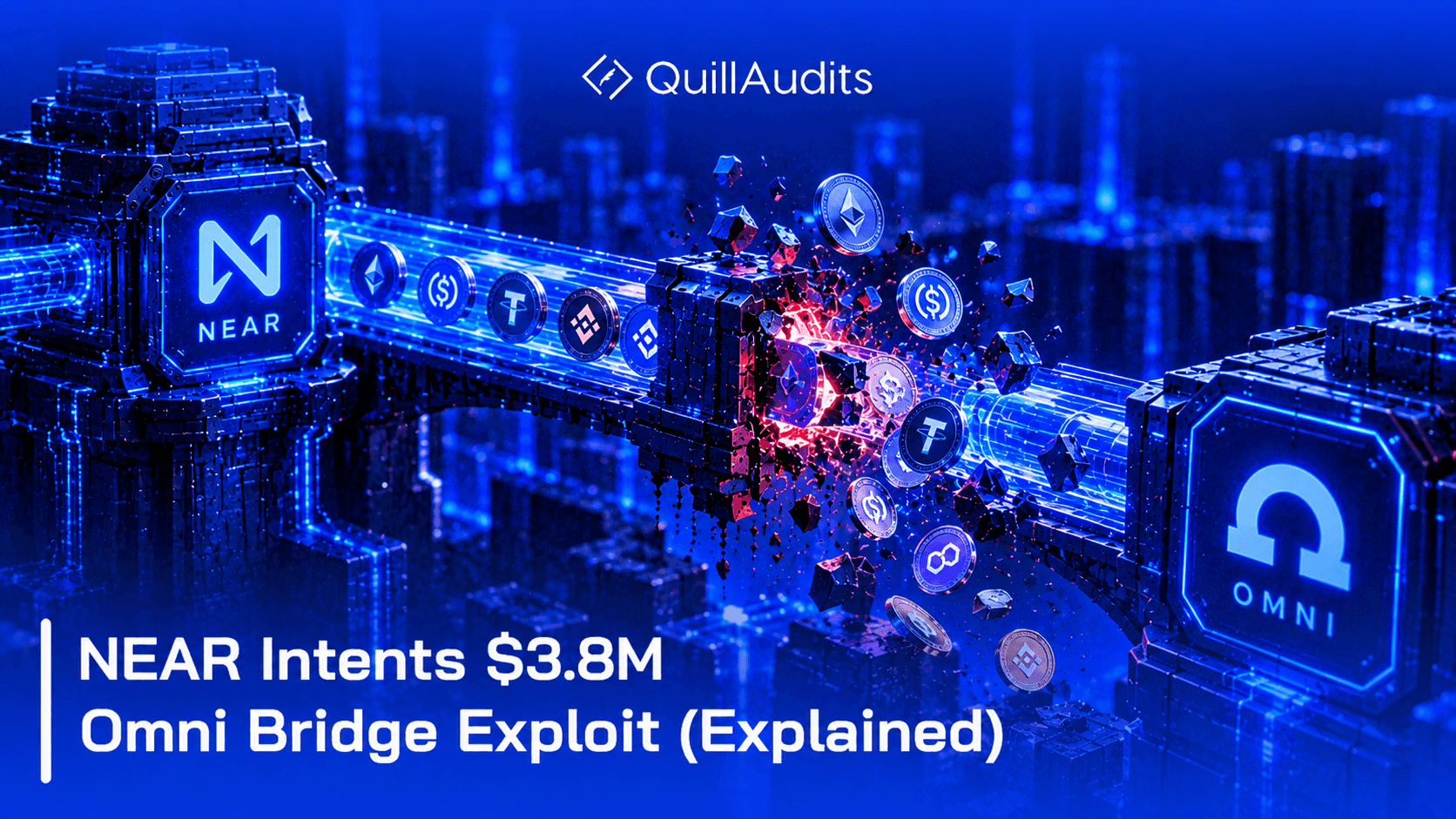
NEAR Intents $3.8M Omni Bridge Exploit (Explained)
On October 1, 2026, NEAR Intents lost $3.8M after an attacker exploited a trust gap between its Omni infrastructure and smart contract, faking deposits across 11 chains. See how the exploit worked, how a 48-hour public ultimatum led to full recovery, and what it adds to the growing list of cross-chain bridge hacks.
Before launch
Best Code4rena Alternatives for Competitive Audits in 2026
Code4rena shut down in 2026, leaving pre-launch contests without their default platform. Compare Sherlock, Cantina, Codehawks, and fixed-scope audits as Code4rena alternatives, and see how your launch timeline and budget should decide between a crowdsourced contest and a single-firm smart contract audit, including what each model trades off before you book.
Before launch
Symbiosis Bitcoin Bridge $336K Minting Exploit
On September 11, 2026, a BridgeV2 flaw let an attacker mint $46.1 billion in fake syBTC on Symbiosis's Bitcoin Bridge using a signed message with no real BTC behind it — but thin exit liquidity limited the real loss to $336,000. See how the trust-boundary bug worked, why it echoes Harmony, CrossCurve, and BSC Token Hub, and what lock-and-mint bridges need to prevent it.
02 / 04
Before a change
Understand the security consequences of upgrades and configuration changes.
No guides published for this stage yet. Explore the other stages or check back for new articles.
03 / 04
After launch
Keep ownership, monitoring, and response paths clear in production.
1 guide
04 / 04
When something fails
Work through the evidence and available actions when a warning becomes urgent.
No guides published for this stage yet. Explore the other stages or check back for new articles.
Go deeper
Evidence and context
Explore the research, insights, and project stories behind better security decisions.










